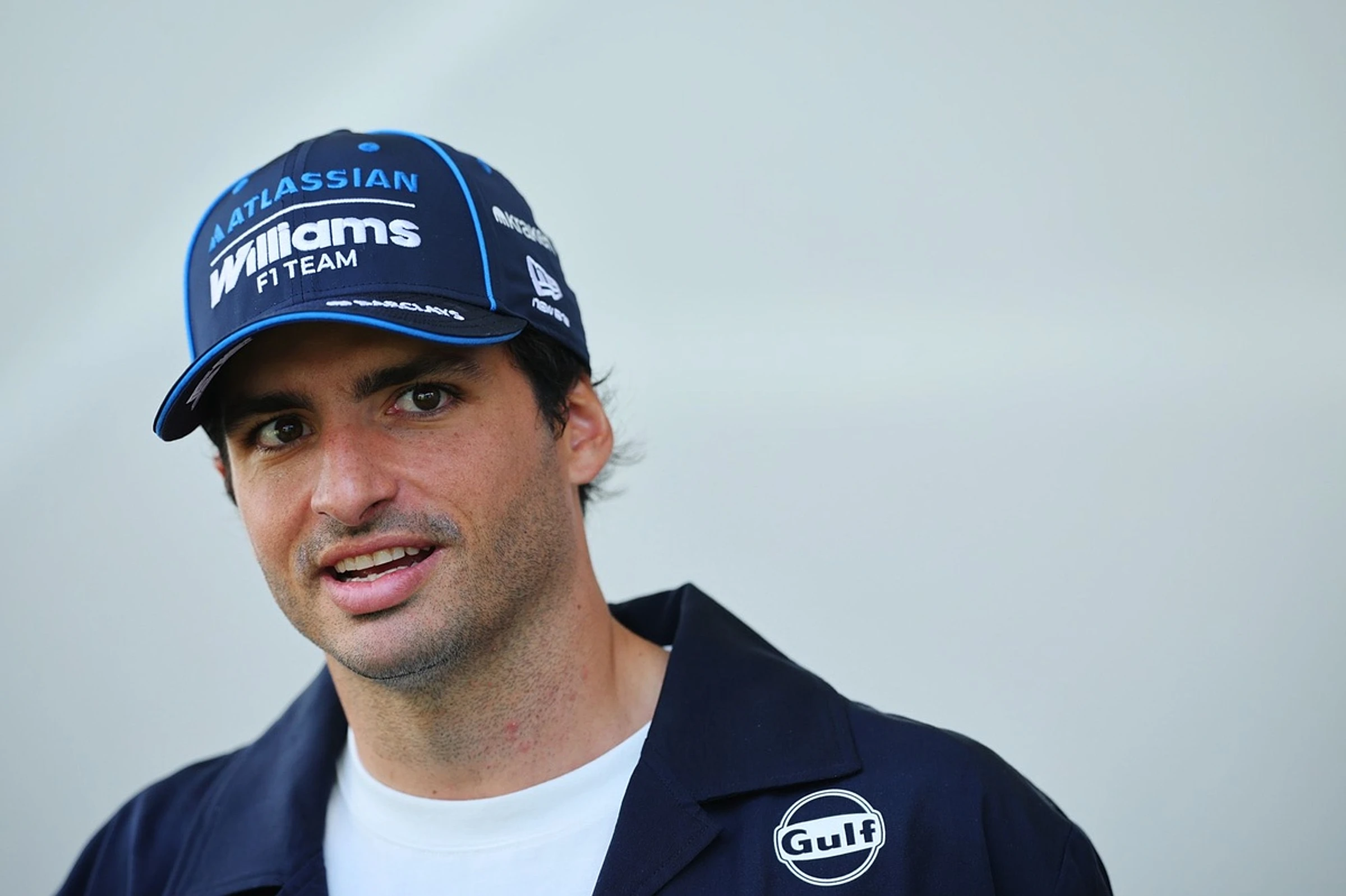
Carlos Sainz has decided to take a different approach when it comes to the 2026 Formula 1 regulations—he's putting the brakes on public criticism. But don't mistake his silence for satisfaction.
The Williams driver, one of the most outspoken voices against F1's new rules, made it clear after the Miami Grand Prix that while he's stepping back from the negativity, his concerns haven't gone away. "I'm not going to criticise it anymore," Sainz said. "But this is still not good enough for F1."
The Miami weekend brought some welcome changes from the FIA, including tweaks to how energy is harvested and deployed during qualifying and races. The goal? To close the speed gaps caused by varying battery charge levels and let drivers push harder without being held back by software. The adjustments also targeted wet-weather performance, raising intermediate tyre blanket temperatures from 60°C to 70°C for better grip in tricky conditions.
And it worked—partially. "The racing was a bit better," Sainz admitted. "The FIA did a brilliant job this weekend, and everyone seems to be working in the same direction now."
But the real frustration remains locked in qualifying. Under the current rules, drivers feel punished for taking corners at full speed because it drains electrical energy faster, leaving them vulnerable on the straights. In other words, the very act of driving flat out is being penalised by a software algorithm.
"For qualifying, there's still a long way to go," Sainz said. "We need to convince a few power unit manufacturers that this is not the standard we should have."
For now, Sainz is choosing to channel his energy into productive conversations rather than public complaints. But the message is clear: F1's new rules are a step forward, but they haven't crossed the finish line yet. For fans and drivers alike, the wait for a qualifying format that rewards—not restricts—raw speed continues.