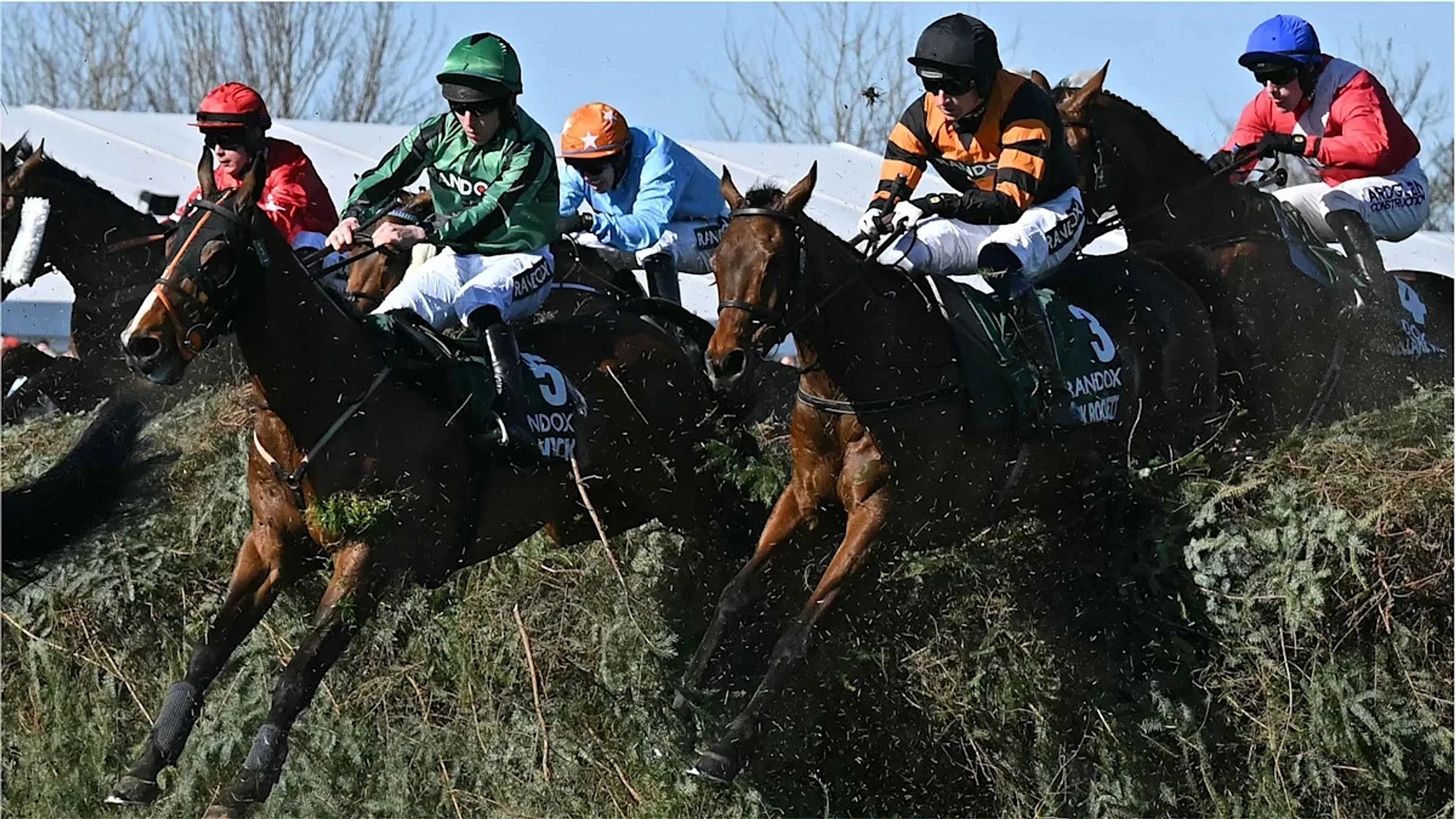
The Grand National at Aintree is a true spectacle, a thrilling highlight of the British sporting calendar that captures the imagination of millions. But with a massive field of 34 runners, picking the winner can feel like finding a needle in a haystack. Is it pure chance, or can the stats from past winners give us a crucial edge? Let's dive into the data to see if we can uncover the profile of a potential champion for the 2026 race.
Looking at the 25 runnings since 2000, the odds tell a fascinating story. While we've seen a monumental 100-1 shock with Mon Mome in 2009, the average winning price sits just under 24-1. This tells us that while big-priced winners are always possible—eight have been 33-1 or higher—recent history suggests a shift. In the last decade, the winner has been priced at 11-1 or shorter five times, and favourites have a strong record, winning six times this century, including I Am Maximus in 2024.
When it comes to the weight a horse carries, the trends are broad but revealing. Winners in the last 25 years have carried anywhere from 10st 3lb to 11st 9lb. However, zooming in on the last 11 renewals, nine winners have carried between 10st 5lb and 11st 8lb, which can help narrow the field. The historical average winning weight is around 10st 12lb-10st 13lb, with 11st 6lb being the most successful individual weight. This data suggests the winner often comes from the middle-to-upper end of the handicap, rather than the very top.
Perhaps the clearest statistical clues come from a horse's age and experience. In recent years, a definitive trend has emerged: no horse younger than eight has won since 1940. Furthermore, every winner since 2014 has been aged eight or nine. This makes age one of the most reliable filters. Combine this with the fact that all recent winners had previously run in at least 10 chases and had experience over the unique National fences, and you start to build a picture of a seasoned, battle-hardened contender.
So, while the Grand National will always have an element of glorious unpredictability, the stats point us toward a specific type of runner for 2026: a seasoned chaser, likely aged eight or nine, carrying a weight in the mid-handicap range, with odds that could offer value but shouldn't be dismissed if they are towards the head of the market. It's not a guaranteed formula, but it's a powerful starting point for separating the contenders from the also-rans in the world's greatest steeplechase.