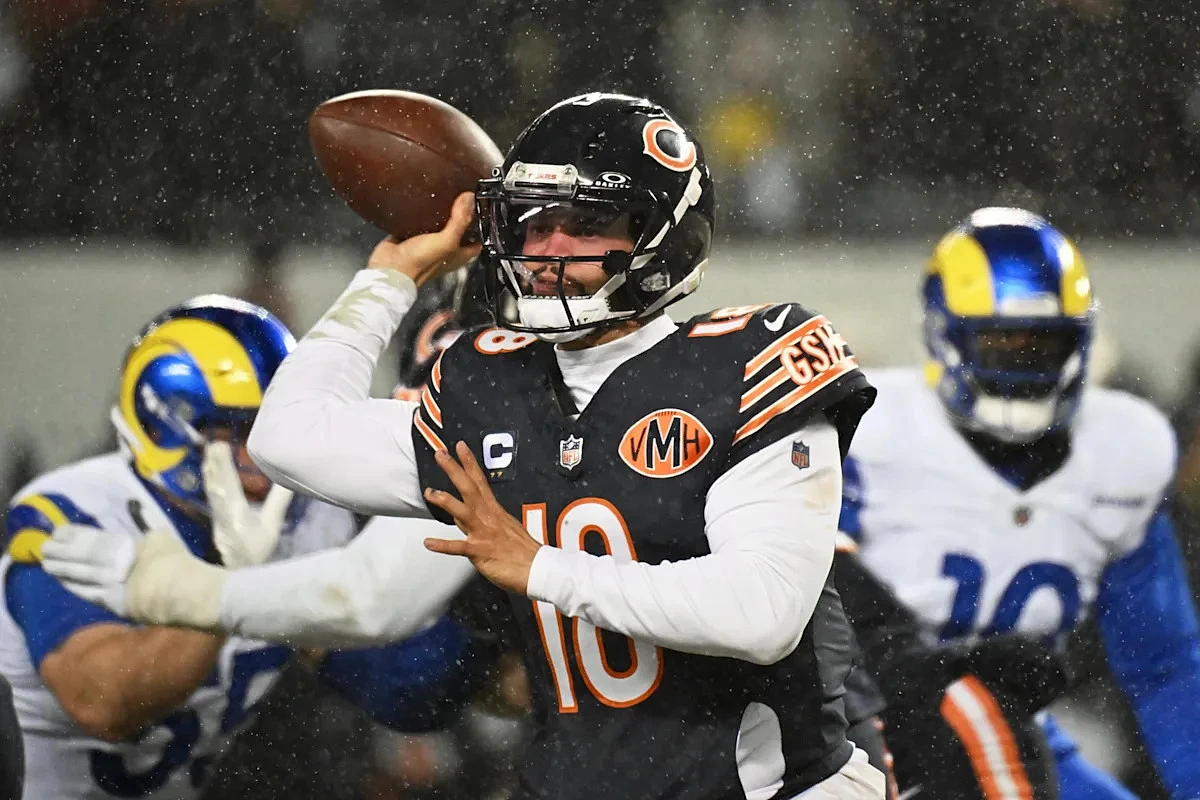
The Chicago Bears are in a golden window of opportunity, and they know it. With quarterback Caleb Williams still on his rookie contract, the team is racing against the clock to capture a Super Bowl before his inevitable blockbuster payday reshapes their financial flexibility.
After a breakout first season under head coach Ben Johnson, the Bears have proven they're legitimate contenders. They clinched the NFC North division title for the first time since 2018, swept the Green Bay Packers—including a playoff elimination—and came within a whisker of an NFC Championship appearance. That kind of success in Year 1 of the Williams-Johnson era has Chicago buzzing with championship aspirations.
The math is simple but urgent. Rookie contracts are the ultimate competitive advantage in today's NFL, allowing teams to surround their young franchise quarterback with elite talent without breaking the bank. The Bears are living that dream right now, but the clock is ticking. Williams becomes eligible for a massive contract extension in 2026, the final year of his rookie deal. Once that happens, the roster-building calculus changes dramatically.
As Mike Pendleton recently noted, "Chicago understands the urgency to strike big while in the early stages of Williams' career, looking to build the most competitive and talented roster around him while he is still on his rookie deal." That's the blueprint that teams like the Kansas City Chiefs and Philadelphia Eagles have followed—win big before the quarterback's salary cap hit balloons.
Williams is undoubtedly headed for a historic payday, but the Bears' front office is laser-focused on capitalizing now. With Johnson's offensive scheme clicking, Williams taking another developmental leap, and a roster built for a deep playoff run, 2026 feels like the year everything could align. The Bears are gunning for it all, and they're doing it with the financial setup to make it happen.