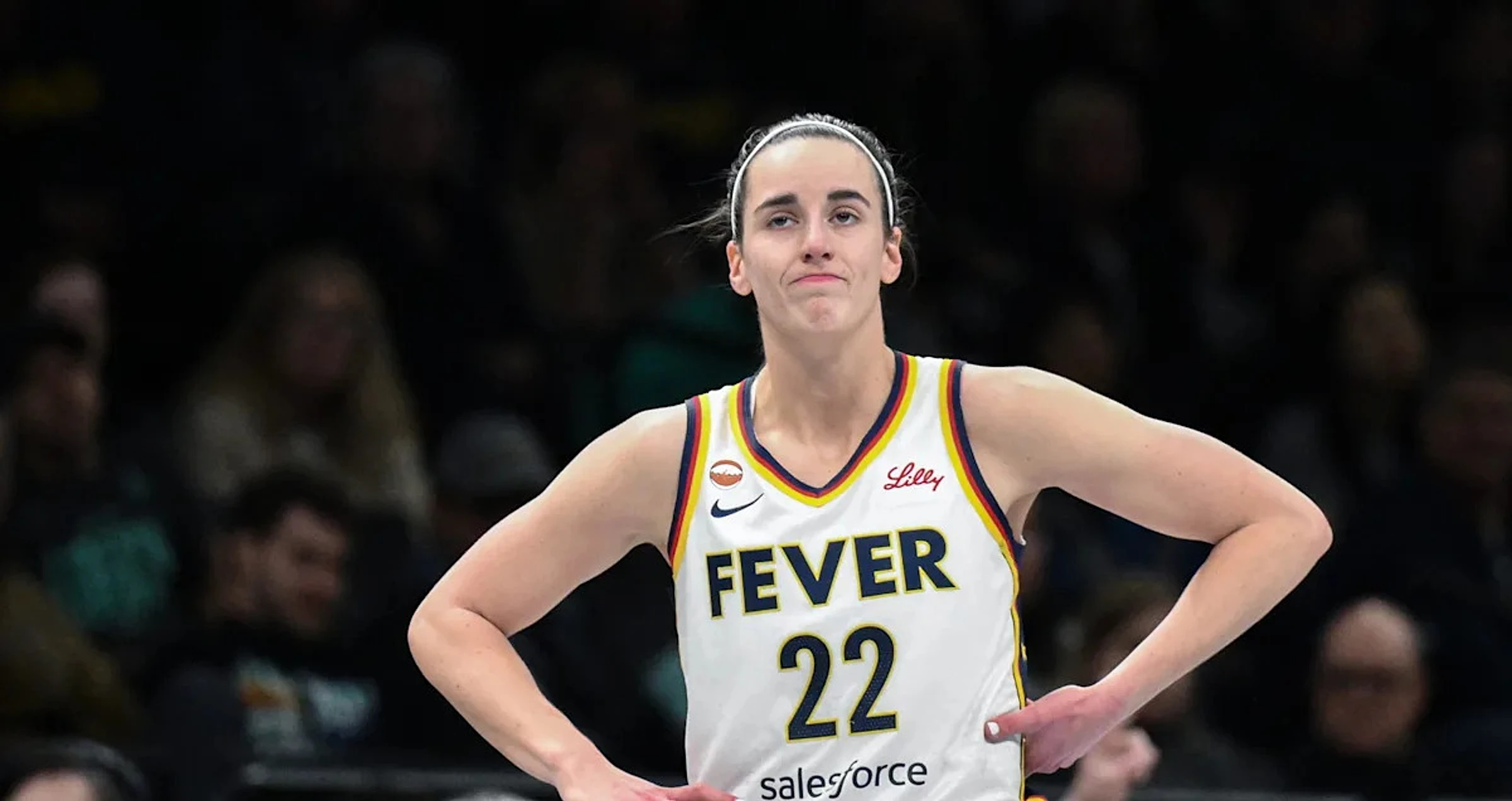
When you think of the WNBA's biggest stars, Caitlin Clark's name is usually the first that comes to mind. In just two seasons, she's shattered rookie records, earned consecutive All-Star selections, and helped fuel an explosion in league popularity. So when a media company co-founded by NBA legend Kevin Durant released its list of the league's most marketable players, fans were expecting Clark to sit comfortably at the top. Instead, they got a ranking that has sparked serious debate.
Boardroom, the media company launched by Durant and longtime manager Rich Kleiman, recently unveiled its top five most marketable WNBA players heading into the 2026 season. To the surprise of many, Clark didn't just miss the top spot—she didn't even crack the top two. The list crowned reigning WNBA MVP A'ja Wilson as the league's most marketable player, followed by Dallas Wings rookie sensation Paige Bueckers, who entered the league as the No. 1 overall pick in the 2025 draft. Clark landed at No. 3, ahead of her longtime rival Angel Reese at No. 4 and Sabrina Ionescu rounding out the list at No. 5.
What makes the ranking particularly puzzling is the lack of any clear methodology. Boardroom didn't share what metrics or criteria were used to determine marketability, leaving fans to wonder how a player who has become the face of the league's historic growth could be placed behind two others. After all, Clark's impact on WNBA viewership, merchandise sales, and overall buzz is undeniable—she's been the driving force behind sold-out arenas and record-breaking TV ratings since her rookie debut.
Unsurprisingly, social media erupted with reactions. Fans were quick to point out that endorsement deals and real-world marketability tell a different story. "This list is laughable," one comment read. "A'ja is definitely the best player in the league, but she's not close to the most marketable. She's 4th at best. Just look at actual endorsement deals. CC is by far the most marketable, and Angel Reese is definitely above A'ja." Others echoed the sentiment, arguing that Clark and Reese should have been ranked ahead of Wilson and Bueckers based on their massive cultural impact and commercial appeal.
The controversy comes at a pivotal moment for the WNBA. The league is gearing up for its 30th season with more momentum, star power, and financial investment than ever before. A new generation of stars is rising, a new collective bargaining agreement is expected to reshape player salaries, and expansion, viewership, and sponsorship dollars continue to climb. In this landscape, conversations about marketability are about more than just rankings—they reflect the shifting dynamics of a league that's evolving faster than anyone could have predicted.
Whether you agree with Boardroom's list or not, one thing is clear: the debate itself is proof of the incredible depth of talent and star power in the WNBA today. And for fans and players alike, that's a win no matter how you rank it.