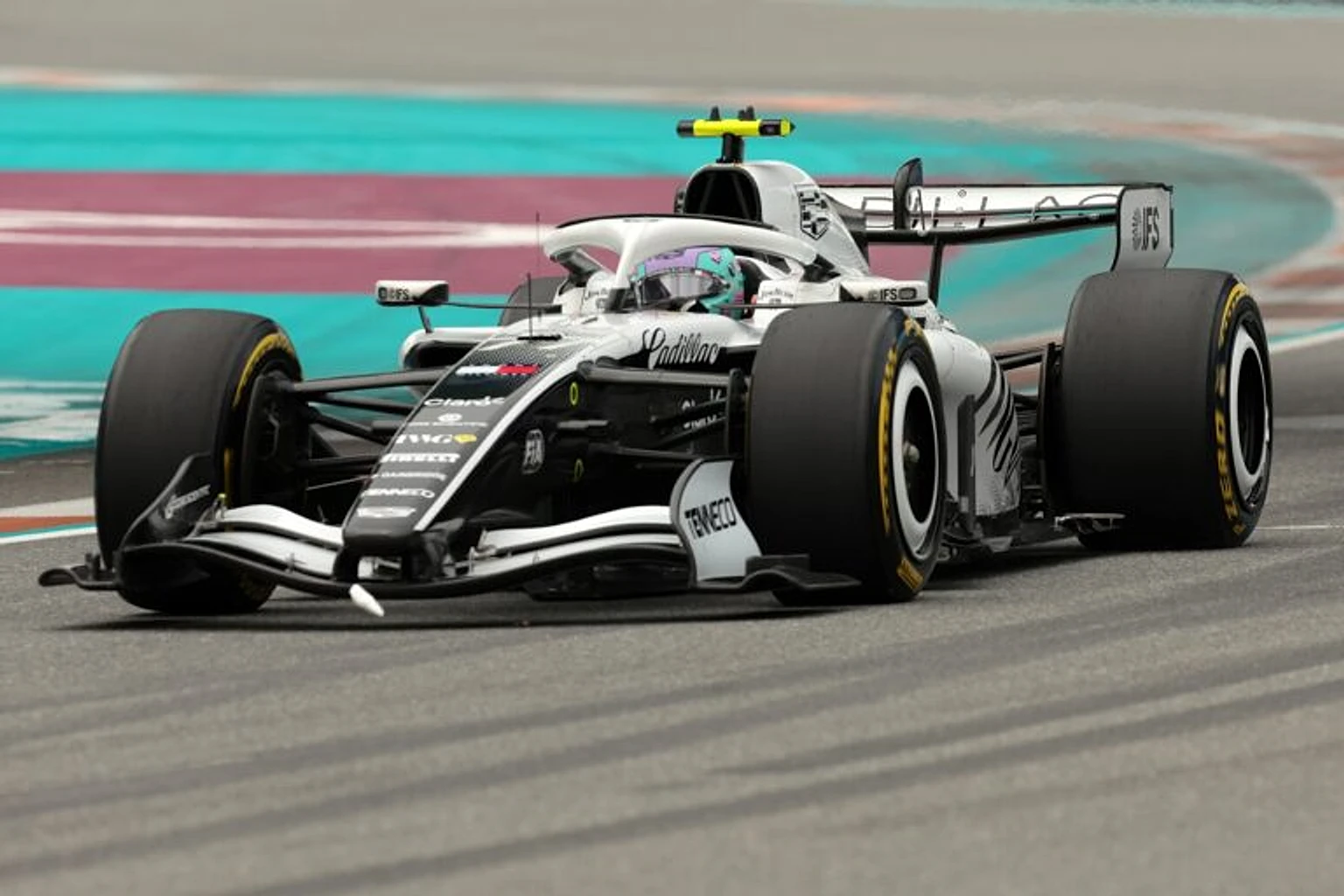
Cadillac's F1 journey was never going to be a smooth ride, and the team isn't pretending otherwise. After the opening three rounds of the season, the MAC-26 sat roughly 1.3 seconds off the Q2 qualifying pace—a gap that shrank dramatically to just 0.3 seconds during Miami sprint qualifying, only to widen again to 1.7 seconds the following day. It's been a rollercoaster debut, and CEO Dan Towriss isn't reaching for moral victories.
"It's a tough selling point," Towriss admitted. "This is Formula 1, expectations are high. I'm not going to try and justify 18th and 19th place in qualifying as a moral victory. We just want to keep our heads down, do our job, and show a pace of progress."
That kind of honesty is refreshing in a paddock known for carefully crafted messaging. Cadillac arrived as the first independent constructor to join the grid since Haas in 2016, carrying the weight of American fans whose enthusiasm for the sport has skyrocketed in recent years. The gap between those sky-high expectations and the reality of racing at the back is undeniable—and Towriss isn't asking anyone to ignore it.
Instead, his message is about momentum. "I think that's the most important element," he said. "It's simply to show that there's no stagnation, that it changes race after race and to create this upward trajectory; that's what people will eventually notice."
Powered by customer Ferrari engines, Cadillac has been locked in a tight battle with the struggling Aston Martin-Honda squad. During the Miami Grand Prix, driver Perez briefly climbed as high as 13th before the field fought back—a sign that raw pace is improving in fits and starts. The team also clocked a pitstop time of 23.228 seconds in Miami, faster than Ferrari, Haas, and Audi managed that day, though still chasing Mercedes' benchmark of 22.042 seconds.
These are the kinds of operational gains a brand-new team should be targeting, and Cadillac is finding them. The road ahead is long, but the direction is clear.