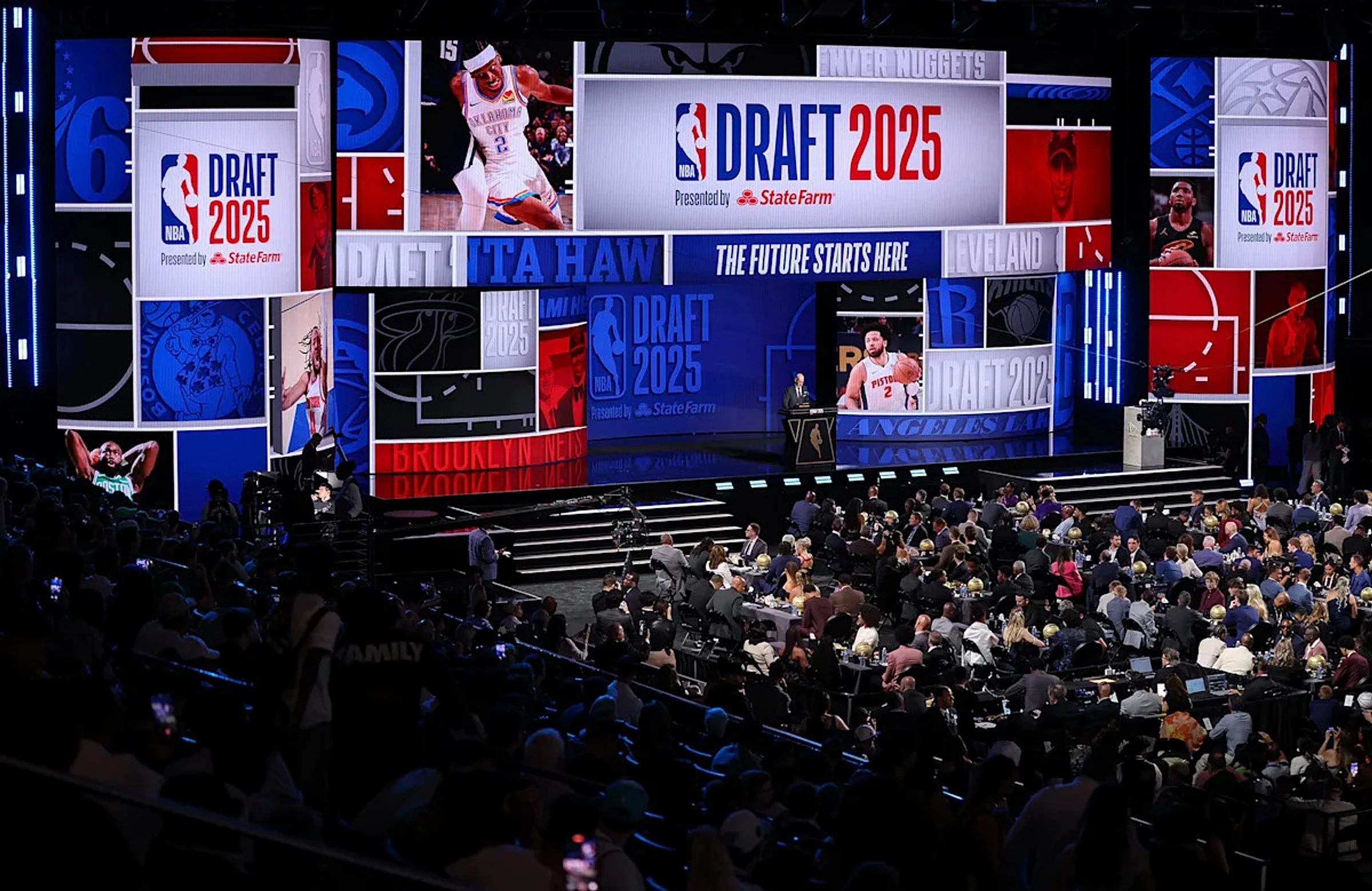
The landscape of college basketball is shifting in a big way, and the NBA is starting to feel the effects. This year, only 71 players filed as early-entry candidates for the 2026 NBA draft—a dramatic drop from 106 in 2025, 283 in 2022, and a whopping 353 in 2021. According to ESPN, it's the smallest early-entry group in over two decades.
But don't mistake this for a lack of NBA dreams. That goal is still very much alive for countless athletes. What this trend really reveals is that college basketball has finally built enough muscle—both financially and structurally—to make staying in school feel like the smarter move for a certain tier of talent.
For years, the pressure was always the same: if you were hovering around the late first round or that uncertain space between first and second round, you were told to go. Take the shot. Start the clock. The financial pull of college just couldn't compete with even a modest NBA paycheck. That's all changed.
Take Thomas Haugh, for example. ESPN reported that he returned to Florida despite being viewed as a lottery-to-first-round prospect. Florida head coach Todd Golden didn't mince words: Haugh's NIL value in Gainesville is dramatically higher than what he'd likely make in the NBA next season.
Braylon Mullins made a similar call at UConn. Yahoo Sports reported that Dan Hurley put it bluntly—players in Mullins' range can earn more by staying in school than by landing outside the lottery in the draft. That used to be the kind of thing a coach might hint at. Now, it's something they can say out loud.
Then there's Patrick Ngongba II at Duke. Sports Illustrated grouped him with Haugh and Mullins as first-round-level returners whose decisions helped thin the 2026 class. His stock had settled in the middle-to-late first-round range, but he chose to come back.
These aren't just isolated stories. They're the new reality. College basketball has finally become strong enough to keep some of its brightest stars, and the NBA's draft pipeline is feeling the pinch.