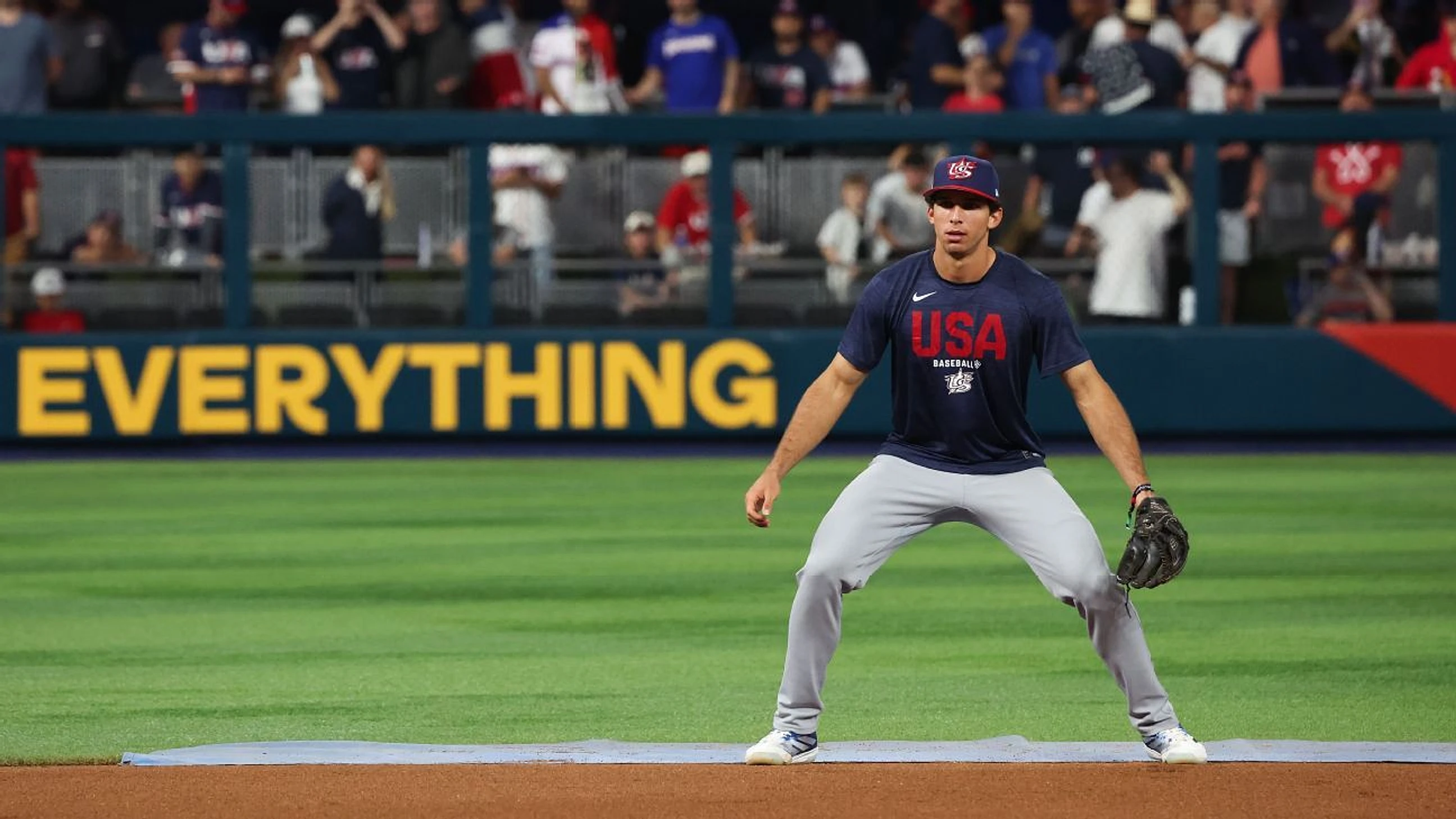
In the high-stakes world of baseball scouting, the question of how teams truly evaluate prospects often boils down to a single debate: tools versus production. While fans might fixate on a player's batting average or home run totals, the conversations happening inside front offices are far more nuanced. Scouts and executives are increasingly prioritizing raw athletic tools—things like exit velocity, arm strength, and speed—over the surface-level stats that dominate headlines. Why? Because tools are seen as a more reliable indicator of future success, especially when projecting how a player's skills might translate to the professional level.
This shift is particularly evident when it comes to pitchers. There's a growing preference for college arms over high school aces, despite the allure of a prep phenom's potential. College pitchers, with their more polished mechanics and proven track records against tougher competition, are often viewed as safer bets. They've already faced the rigors of a longer season and a more demanding schedule, which can make their transition to the minors smoother. Meanwhile, high school pitchers, while tantalizing with their raw power and upside, carry higher risk due to their relative inexperience and the unknowns of their development curve.
Another key point of discussion is how teams balance the value of immediate production against long-term ceiling. For hitters, a college star who has consistently produced in the NCAA might be ranked higher than a high schooler with elite bat speed but unrefined plate discipline. However, in the draft room, the conversation often shifts to "what can this player become?" rather than "what has he done?" This forward-looking approach drives trades and draft decisions, as teams try to project how a 19-year-old's raw talent will mature against the best competition in the world.
For fans and apparel enthusiasts, understanding these internal debates adds a layer of insight to the game. When you see a player rise from an unheralded prospect to a star, it's often because a scout saw a tool—a quick release, a powerful swing, or a deceptive delivery—that numbers alone couldn't capture. So next time you're rocking your favorite team's gear and watching a prospect make a leap, remember: the real action starts long before the first pitch, in the meetings where tools and potential are weighed against the scoreboard.