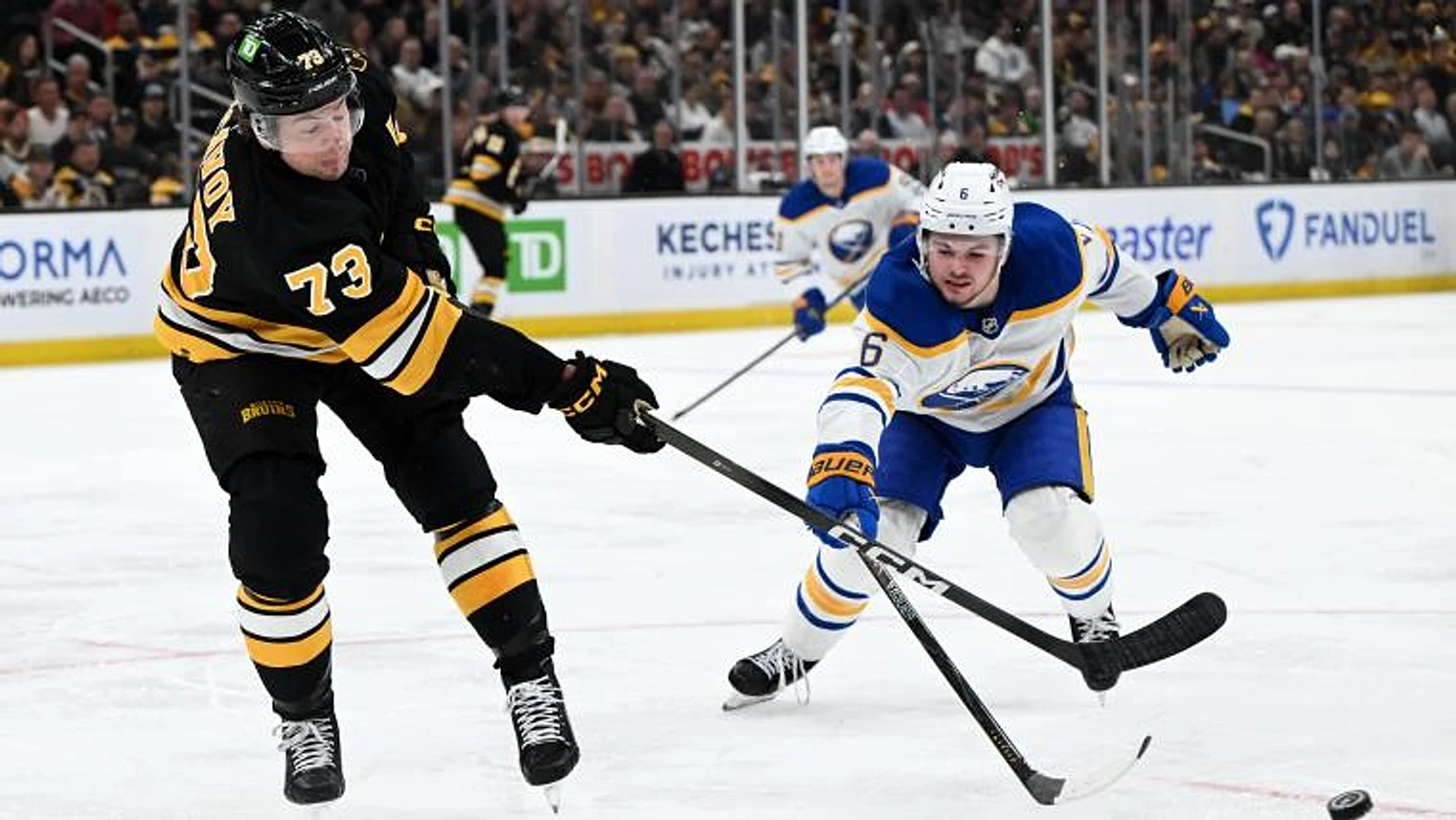
Charlie McAvoy's six-game suspension is making headlines, but it's not just about the punishment—it's about the NHL's ongoing struggle with consistency in player safety rulings. Here's what happened and why it matters.
Boston Bruins defenseman Charlie McAvoy has been handed a six-game suspension by the NHL Department of Player Safety following a slash on Buffalo Sabres forward Zach Benson during Game 6 of their playoff series. The incident occurred with less than 90 seconds remaining in the game, resulting in a major penalty and game misconduct that ended McAvoy's night—and effectively sealed the Bruins' season.
Let's be clear: the suspension itself isn't the controversy. You can't swing your stick at an opponent in retaliation, no matter how intense the moment. The league had to act, and six games feels reasonable—especially given McAvoy's history. This marks his third NHL suspension, following previous bans for illegal checks to the head. As a repeat offender, he could have easily faced eight games or more under the league's escalating discipline policy.
But here's where things get complicated. Before McAvoy's slash, Benson delivered a dangerous slew foot that left McAvoy defenseless, his legs taken out from under him with little ability to protect himself. Slew footing is widely considered one of the most dangerous plays in hockey because of its potential to cause serious head, neck, and back injuries. Yet Benson faced no supplemental discipline for that play.
This inconsistency is the real story. The NHL Department of Player Safety has long struggled with balancing precedent, context, and retaliation. When a player retaliates after being victimized by a dangerous but unpunished play, where does accountability truly lie? The league's message seems clear: retaliate, and you'll pay the price. But allowing the initial dangerous play to go unaddressed only fuels frustration among players and fans alike.
For Bruins fans, this suspension stings even more knowing it carries over to next season. McAvoy will miss the first six games of the 2026-27 campaign, a significant blow to Boston's defensive core. For the league, it's another reminder that player safety rulings need to be more transparent and consistent—not just in punishment, but in preventing the moments that lead to retaliation in the first place.