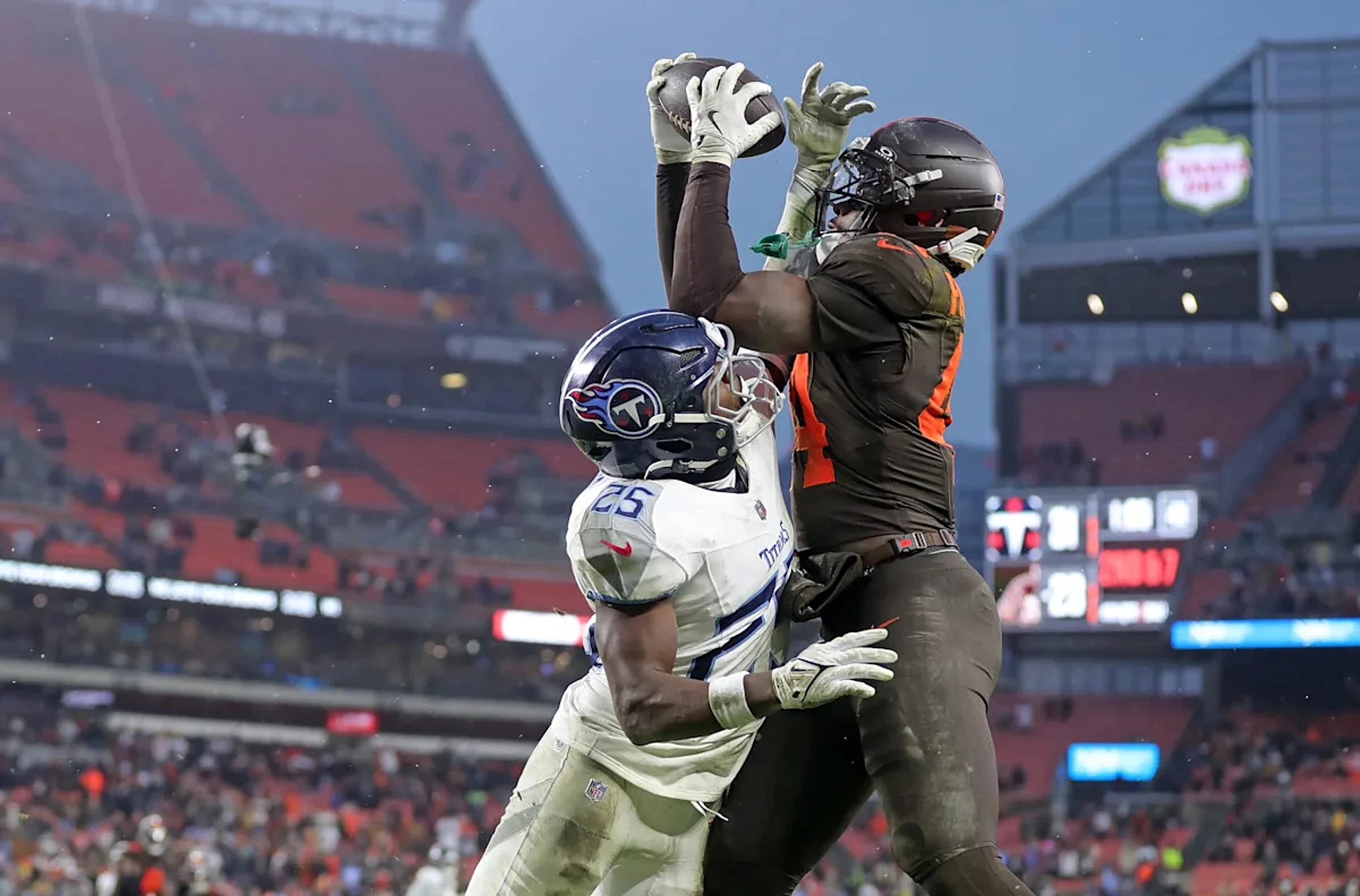
The tight end position has become a hot commodity across the NFL, and the Cleveland Browns are embracing the trend head-on. After a tough two-year stretch with 26 losses, change was inevitable—and it’s arrived in full force under new head coach Todd Monken. Known for transforming offenses everywhere he’s coached, Monken brings a ground-and-pound philosophy that puts tight ends front and center.
The biggest shakeup came in the tight end room. Veteran David Njoku, a fan favorite, was not offered an extension during the season. He publicly said his goodbyes to Cleveland before signing with the Los Angeles Chargers. While Browns fans wish him well, the decision made sense: Njoku was paid like a top-five tight end but never broke the 1,000-yard mark or earned multiple Pro Bowl nods. Enter Harold Fannin Jr., last year’s rookie who emerged as a versatile weapon deserving of more targets in 2026.
Monken’s offense is built on a strong running game, which requires tight ends who can block effectively both in-line and downfield. That means the Browns aren’t just looking for pass-catchers—they need grinders who do the dirty work. While most NFL teams carry three tight ends, Cleveland is likely to keep four, given the emphasis on multiple-tight-end sets. Expect to see plenty of two- and three-tight-end formations as the new system takes shape.
Looking at the current roster, the Browns have seven tight ends after waiving former UFL standout Sal Cannella on May 9. The coaching staff will have tough decisions to make as they trim to a final group of four. The NFL draft saw 22 tight ends selected, with Cleveland grabbing two of them—a clear sign of their commitment to the position. With a higher target percentage and heavier sets on the horizon, the tight end room is poised to be a key driver of the Browns’ offensive resurgence.