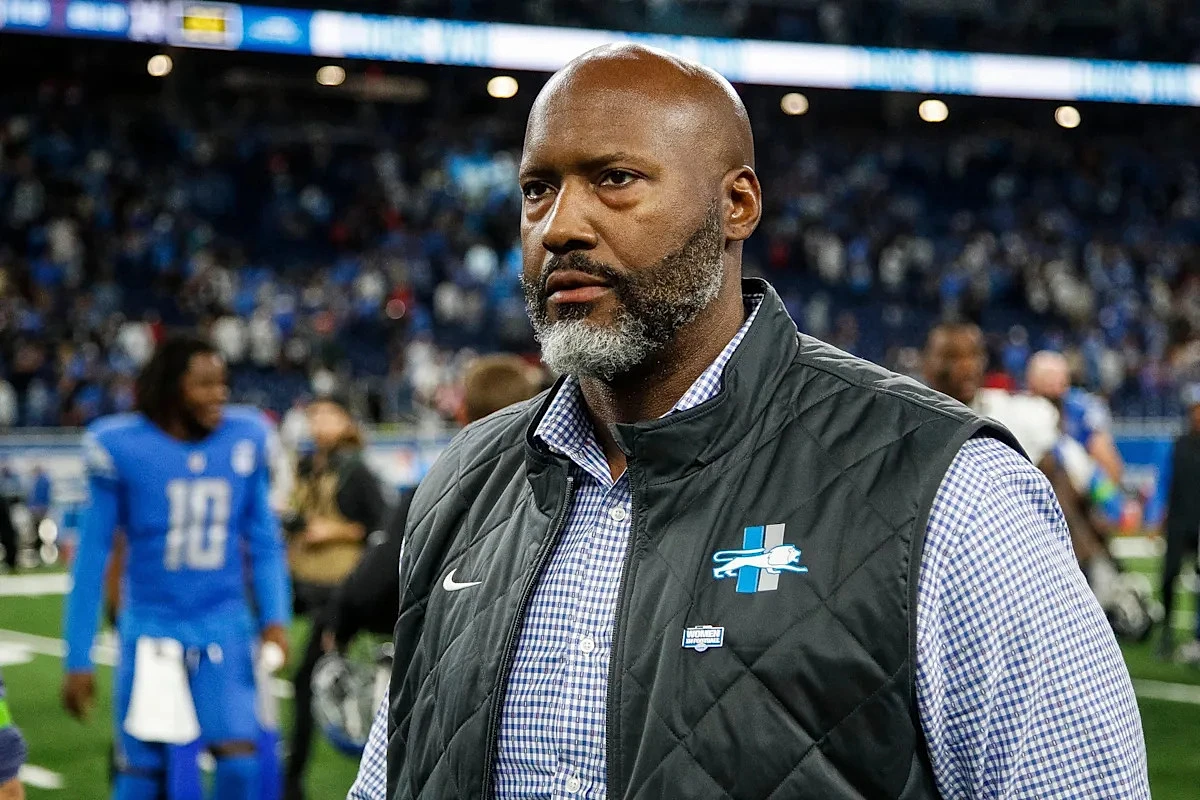
Brad Holmes set the tone for the Detroit Lions' draft approach in his annual pre-draft press conference this week, offering a masterclass in long-term roster building. The central theme? The perennial debate between selecting the Best Player Available (BPA) and reaching to fill a positional need.
Holmes emphasized a disciplined philosophy, cautioning against forcing a pick. "I think sometimes you can get in trouble by doing that," he noted, referring to drafting for need. "You might start to reach for a certain player because you feel like you need that position, and you never want to feel that way when you select a player." This core belief prioritizes talent acquisition over short-term fixes, a strategy that has fueled the Lions' resurgence.
The Lions' own recent history provides a perfect case study. Just last season, the safety position seemed set for years with stars Kerby Joseph and Brian Branch. Now, following significant injuries to both, it's a major question mark. This volatility underscores Holmes's point: today's strength can become tomorrow's crisis overnight.
Contrast that with last year's draft move, where Holmes traded two third-round picks to select wide receiver Isaac TeSlaa, despite already having Amon-Ra St. Brown and Jameson Williams. While some questioned adding to a stacked room, the pick exemplified pure BPA conviction. In hindsight, using that capital on a safety would look prophetic, but Holmes's process remains focused on accumulating elite talent, trusting that a deep roster can withstand the NFL's inevitable attrition.
For Lions fans eagerly awaiting draft night, the message is clear: trust the process. Holmes's strategy is built not for April headlines, but for January success, favoring the player they love over the position they currently lack. It's a blueprint that demands patience but promises a sustainably competitive team.