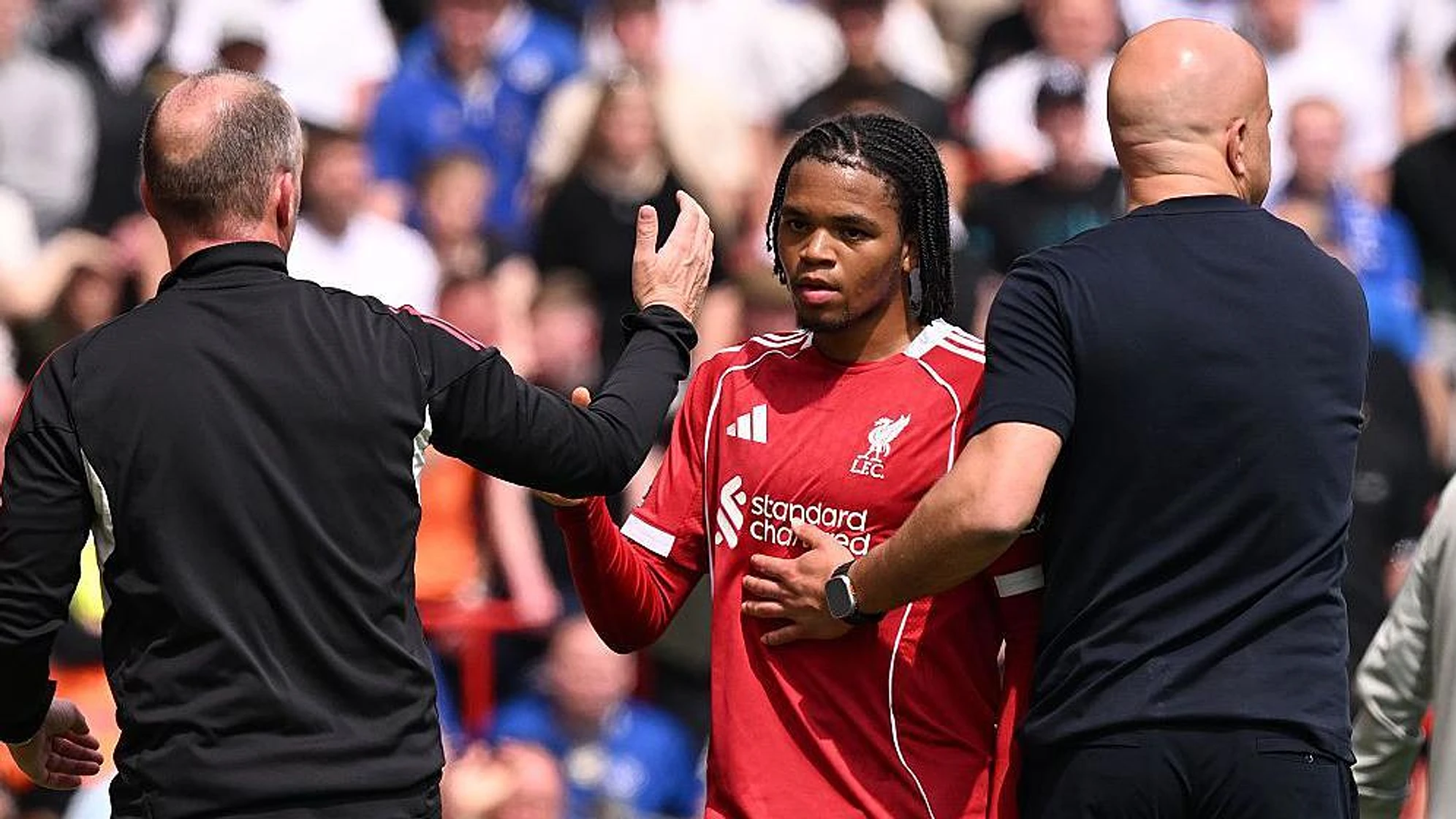
Anfield has always been a fortress where the roar of the Kop can lift a team to new heights. But lately, that roar has turned into a rumble of discontent. More boos echoed around the stadium after Liverpool's latest home performance, and it's clear that Arne Slot's side is missing the very thing that made this club special: intensity.
When you play at Anfield, the crowd doesn't just expect a win—they expect a fight. They want to see players pressing with relentless energy, feeding off the atmosphere and suffocating opponents. Far too often this season, that spark has been missing. Liverpool take the lead, but instead of turning the screw, they let the game drift. Sound familiar?
Take the recent match against Chelsea. The Blues had lost six straight Premier League games, and when Liverpool scored early, this was the moment to dominate. Instead, they allowed Chelsea back into the game. Calum McFarlane's side found a way through, and suddenly the points were slipping away again.
"The adjustment we made at half-time helped us be the more dominant team in the second half," Slot claimed. "We were twice close. So it is not fair to me to say I ever tell my players to back off and not press. If it did look like that, it was never the intention."
Intentions are one thing, but results tell a different story. Enzo Fernandez's equalizer meant Liverpool have now dropped nine points from winning positions at home this season—their worst record at Anfield since 2015-16, the season Jurgen Klopp arrived to replace Brendan Rodgers. That season, the club needed a jolt of energy. History seems to be repeating itself.
Remember Pep Lijnders' famous phrase, "Our identity is intensity"? Under Klopp, that wasn't just a slogan—it was a way of life. Slot was always going to do things his own way, and that's fine. But right now, this Liverpool side lacks any clear identity. The intensity is gone, and so is the fear factor.
Wayne Rooney noticed it too. "I thought Liverpool actually started quite well, got the goal, and then from there Chelsea were the better team," he said on Match of the Day. "They caused Liverpool big problems, especially Marc Cucurella running behind. The crowd were obviously a bit edgy, which you very rarely get from Liverpool fans. It comes from not having the season they hoped for, and after spending a lot of money."
The boos at full-time weren't just about one game. They were about a season of frustration. Online discontent is one thing, but when the match-going fans start voicing their anger, it's a clear signal that something needs to change. For a club built on passion and pressure, this summer feels seismic. The question is: can Slot rediscover the energy that made Anfield a fortress, or will the boos keep getting louder?