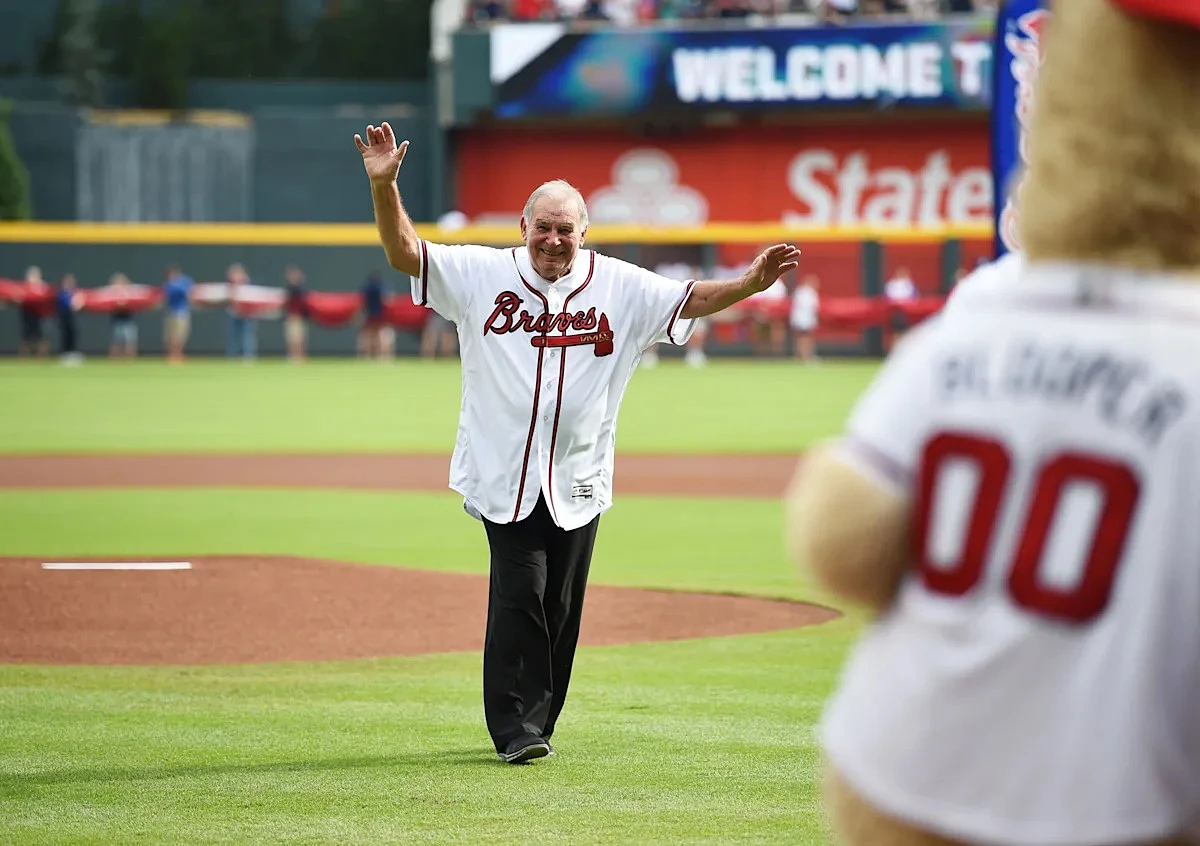
Bobby Cox, the legendary manager who transformed the Atlanta Braves into a National League dynasty, passed away at age 84, the team confirmed on Saturday, May 9. A master strategist and beloved figure in baseball, Cox was inducted into the Hall of Fame in 2014, leaving behind a legacy of grit, grace, and unforgettable victories.
In a heartfelt statement, the Braves honored Cox not just as a baseball icon, but as a family man: "While Bobby's passion for the game was unparalleled, his love of baseball was exceeded only by his love for his family. It is with the heaviest of hearts that we send our sincerest condolences to his beloved wife, Pam, and their loving children and grandchildren."
Cox's journey with the Braves began in December 1977, when at just 36 years old, he became the youngest manager in the National League. His first stint from 1978 to 1981 was a learning curve, with a record of 266-323. But after a brief firing, he quickly found his footing with the Toronto Blue Jays, leading them to three winning seasons and a postseason appearance in 1985 with an impressive 99-win campaign.
Returning to the Braves as general manager in 1985, Cox took the helm as manager again in 1990—and that's when the magic truly began. Over the next two decades, he steered the Braves to an astonishing 14 consecutive NL West titles, five National League pennants, and a World Series championship in 1995. His teams became synonymous with consistency, pitching excellence, and a never-say-die attitude.
With a career spanning 32 years, Cox amassed 2,504 victories—fourth all-time in MLB history—and won four Manager of the Year awards. He also set a record with 162 ejections, a testament to his fiery passion for defending his players. After retiring in 2010, he earned his rightful place in Cooperstown in 2014.
Before managing, Cox played third base for the New York Yankees from 1968 to 1969, but injuries cut his playing days short. Undeterred, he spent the next decade climbing through the Yankees' farm system as a manager, eventually becoming their first base coach in 1977 before seizing his opportunity with the Braves.
Hall of Fame pitcher Tom Glavine summed up Cox's impact perfectly: "He was the single greatest influence on me as a player, in terms of teaching the game, respecting the game, carrying yourself the right way on and off the field." Bobby Cox didn't just build a powerhouse—he shaped the character of a franchise and the hearts of everyone who played for him.