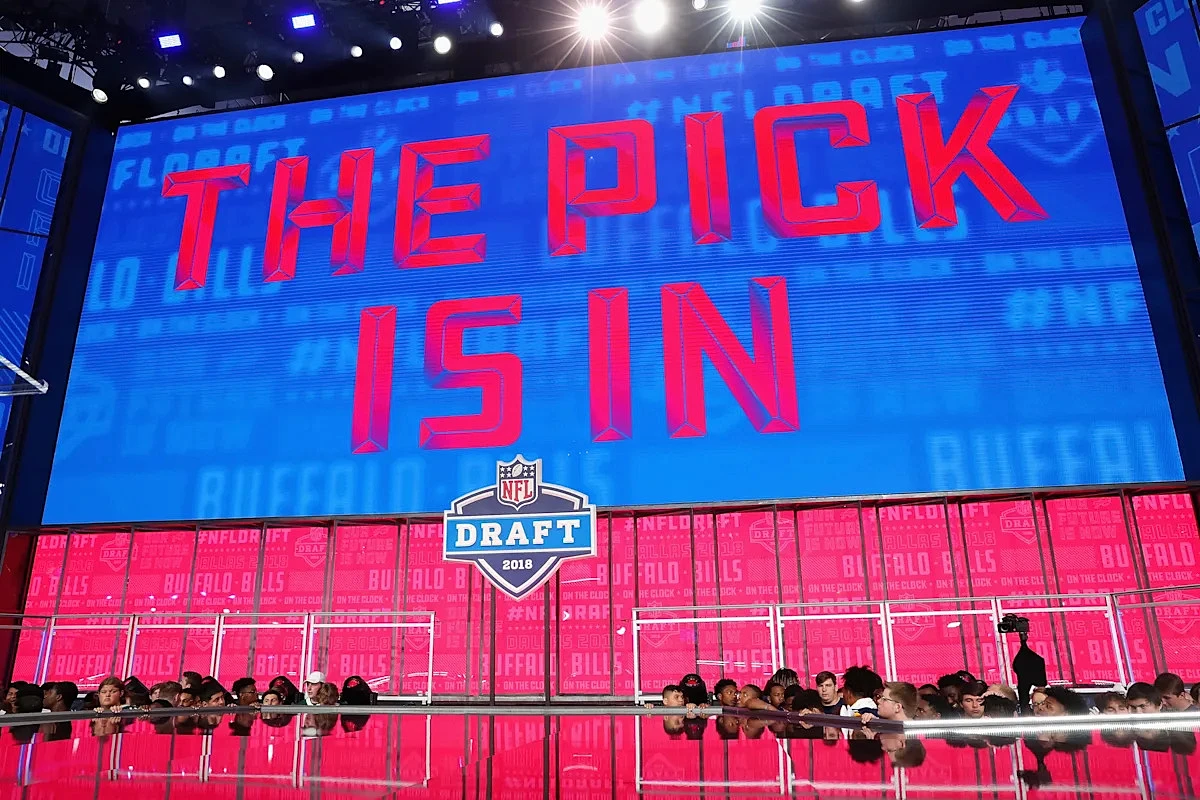
The Buffalo Bills enter the 2026 NFL Draft with a strategic challenge: they're ranked 27th in the league for total draft capital. With limited picks, the front office faces a crucial decision with their first-round selection. Could a trade-back scenario be the smartest move to replenish their roster with cost-controlled, young talent?
This isn't an uncommon position for teams that have been aggressive in acquiring veteran stars. The Bills' own trade for wide receiver D.J. Moore last month is a prime example of exchanging future draft assets for immediate impact. While adding a player of Moore's caliber is a win, it highlights the perpetual NFL balancing act between proven talent and the financial flexibility of rookie contracts.
For a team mindful of the salary cap, accumulating more draft picks by moving down from their first-round spot could be a savvy long-term play. It would allow them to address multiple needs across the roster with younger, more affordable players, building sustainable depth—a cornerstone of any contender's strategy.
So, what could a trade-down look like? The logic hinges on identifying teams later in the round who are desperate to jump up for a specific, falling prospect. Whether it's a team targeting a premier edge rusher, a coveted offensive tackle, or a dynamic playmaker, the Bills' spot could become a valuable commodity. By sliding back just a handful of picks, Buffalo could potentially add an extra Day 2 selection, turning one asset into two or more key building blocks for the future.
While the specific trade partners and targets will crystallize as draft night unfolds, the underlying strategy is clear. In a league where every dollar and every pick counts, turning one first-round selection into multiple shots at finding the next cornerstone player is a compelling path forward for the Bills as they look to construct their next championship-caliber roster.