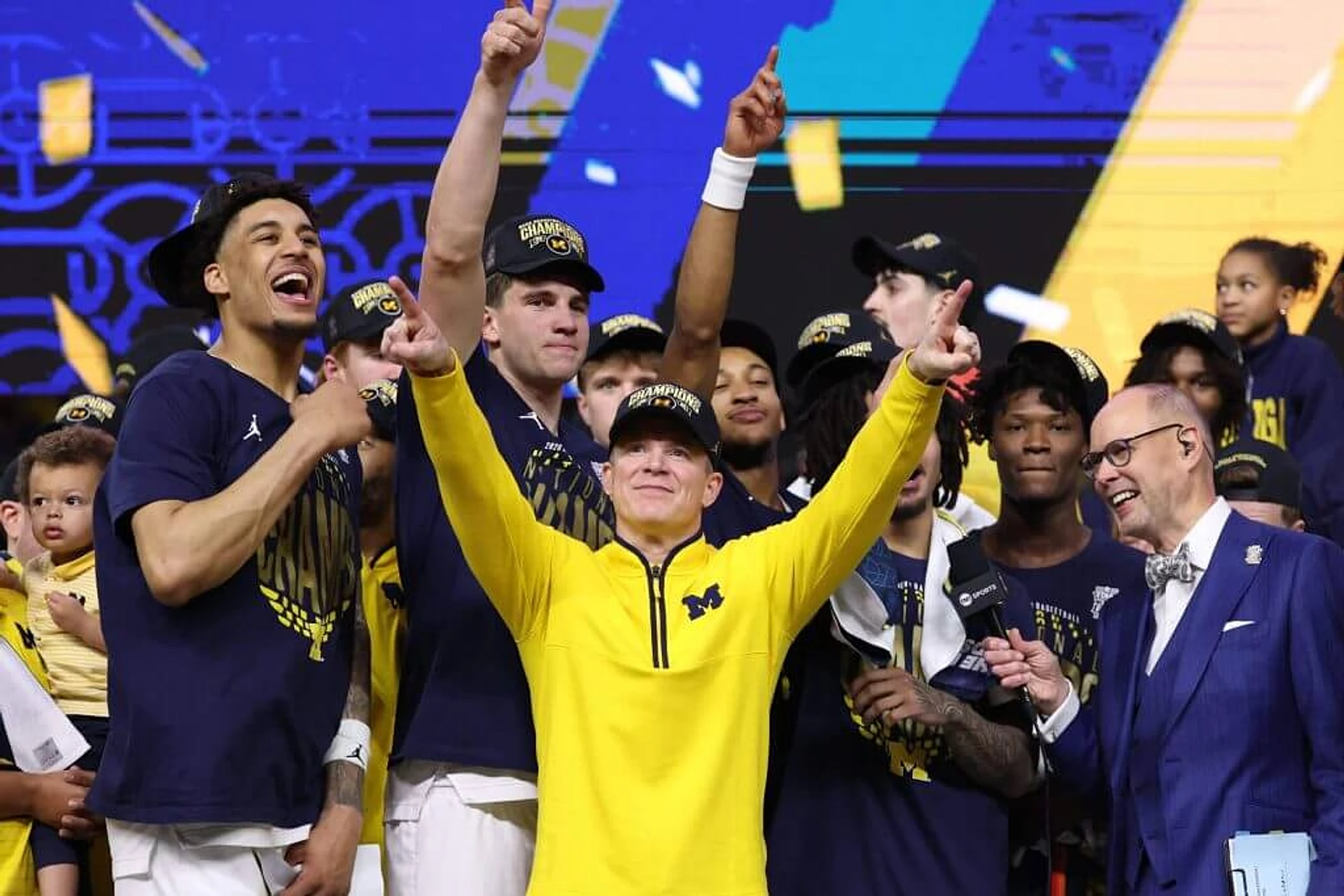
The Big Ten isn't just winning; it's dominating the college sports landscape in a historic way. The conference has officially dethroned the SEC from its long-held top spot in college football and, this week, achieved an unprecedented feat: becoming the first league ever to have three different schools win national championships in football (Indiana), men's basketball (Michigan), and women's basketball (UCLA) in the same academic year. For Indiana and UCLA, these were program-first titles, while Michigan ended a 37-year drought.
But the trophy haul doesn't stop there. The Big Ten's depth of excellence is staggering. This year alone, conference members have also claimed national championships in women's hockey (Wisconsin), men's soccer (Washington), field hockey (Northwestern), wrestling (Penn State), and men's water polo (UCLA). Furthermore, Michigan and Wisconsin are both competing in this week's men's Frozen Four, showcasing the league's power across the board.
This remarkable ascendance coincides perfectly with the era of NIL and the transfer portal, which have fundamentally reshaped how championship teams are built. So, what's the Big Ten's secret sauce? It's not just about money. While the conference has always been financially robust, the rules—like the revenue-sharing cap—apply to everyone. If money alone bought titles, we'd see a very different set of champions.
The real differentiator appears to be a sharper, more strategic focus on leadership. In a landscape where roster construction is more complex than ever, hiring the right coach is paramount. The Big Ten's success stories, like Indiana football's Curt Cignetti and Michigan basketball's Dusty May, exemplify this. They represent the new breed of elite program-builders who can navigate the modern complexities of recruiting, transfers, and NIL to assemble winning teams.
Ultimately, while resources help, the Big Ten's trophy case is overflowing because its schools prioritized finding elite coaches over making excuses. In today's volatile college sports environment, that proactive approach to leadership is proving to be the ultimate competitive edge.