The Big Ten Conference just scored a massive financial victory off the court, amassing nearly $70 million from NCAA distributions for its teams' performances in the 2026 men's and women's basketball tournaments. This staggering sum underscores the immense value of March Madness success, translating on-court triumphs directly into conference revenue.
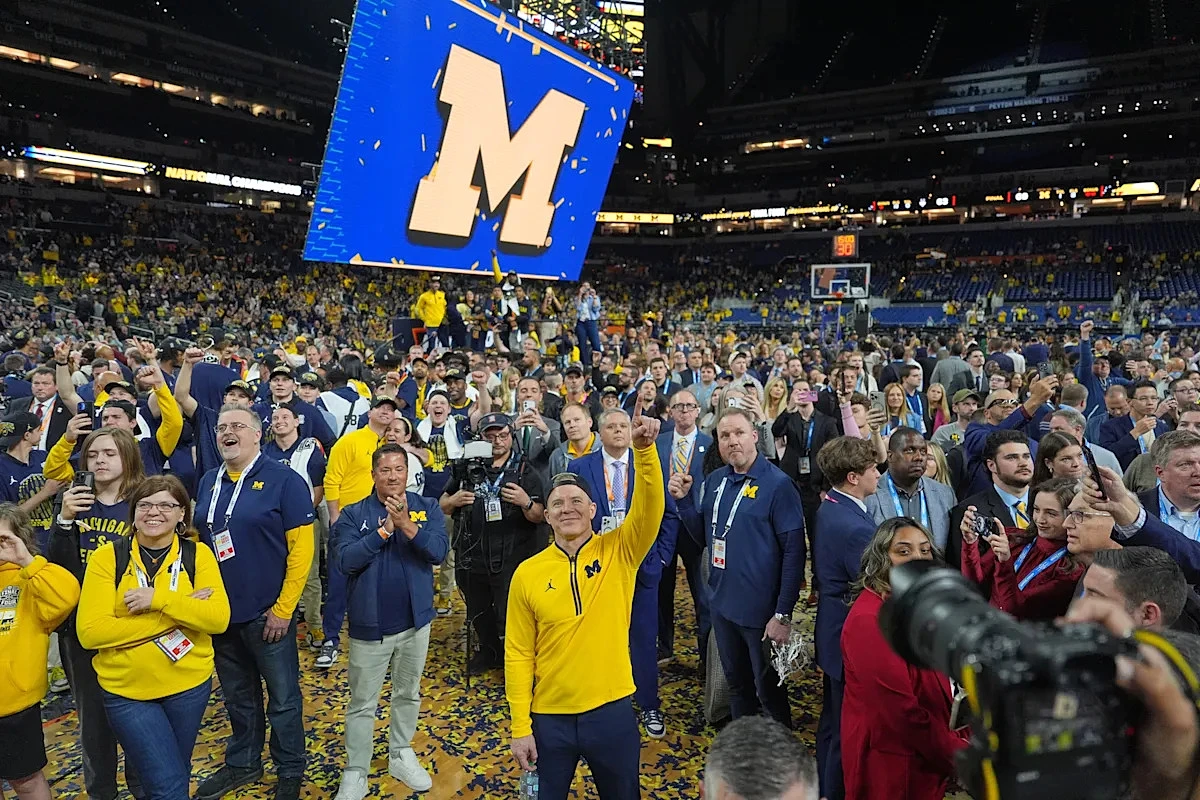
This windfall, the largest of any conference, was fueled by a dominant postseason. The Big Ten completed a historic sweep of the national championships, with Michigan cutting down the nets on the men's side and UCLA claiming the women's title. A deep run by Illinois to the men's Final Four added significantly to the total, proving that every game matters in the lucrative tournament structure.
The NCAA's distribution system, funded by its multibillion-dollar broadcast deals, has rewarded conferences for tournament bids and advancement in the men's event since 1991. A parallel system for the women's tournament, which began in 2025, is a landmark step toward equity, ensuring both tournaments contribute to this major revenue stream.
The Big Ten's financial haul highlights the competitive landscape. With nine men's teams and twelve women's teams earning bids, the conference combined for at least $69.4 million, with $63 million stemming from the men's tournament. Other power conferences also reaped substantial rewards: the SEC totaled at least $56.2 million, the Big 12 $42.9 million, the ACC $34.2 million, and the Big East $22.2 million.
Here's how the system works: teams earn a "unit" for making the 68-team field and an additional unit for each round they advance, with a bonus unit for winning the national championship. The value of each unit increases annually, funded by a percentage of the tournaments' broadcast revenue—24% for the men and 41% for the women. For the 2026 men's tournament, a single unit is estimated to be worth about $350,000, paid out annually over six years, making each tournament win an investment worth over $2 million.
The NCAA sends these payments directly to the conferences, which then distribute the funds to member schools according to their own policies. For programs and fans, this means that every thrilling upset and clutch performance in March doesn't just build legacy—it builds budgets, fueling the future of college athletics. The first payments for the 2026 tournament success will begin in April 2027, a delayed but highly anticipated reward for excellence.