Basketball just scored a major win—and a fresh round of funding—by opening the doors to beer, wine, and liquor sponsorships for March Madness. The NCAA's expansion of the tournament to 76 teams is projected to bring in an extra $300 million over the next six seasons. That's a welcome cash infusion for college sports, but it's also a stark reminder that not every program is riding the same wave.
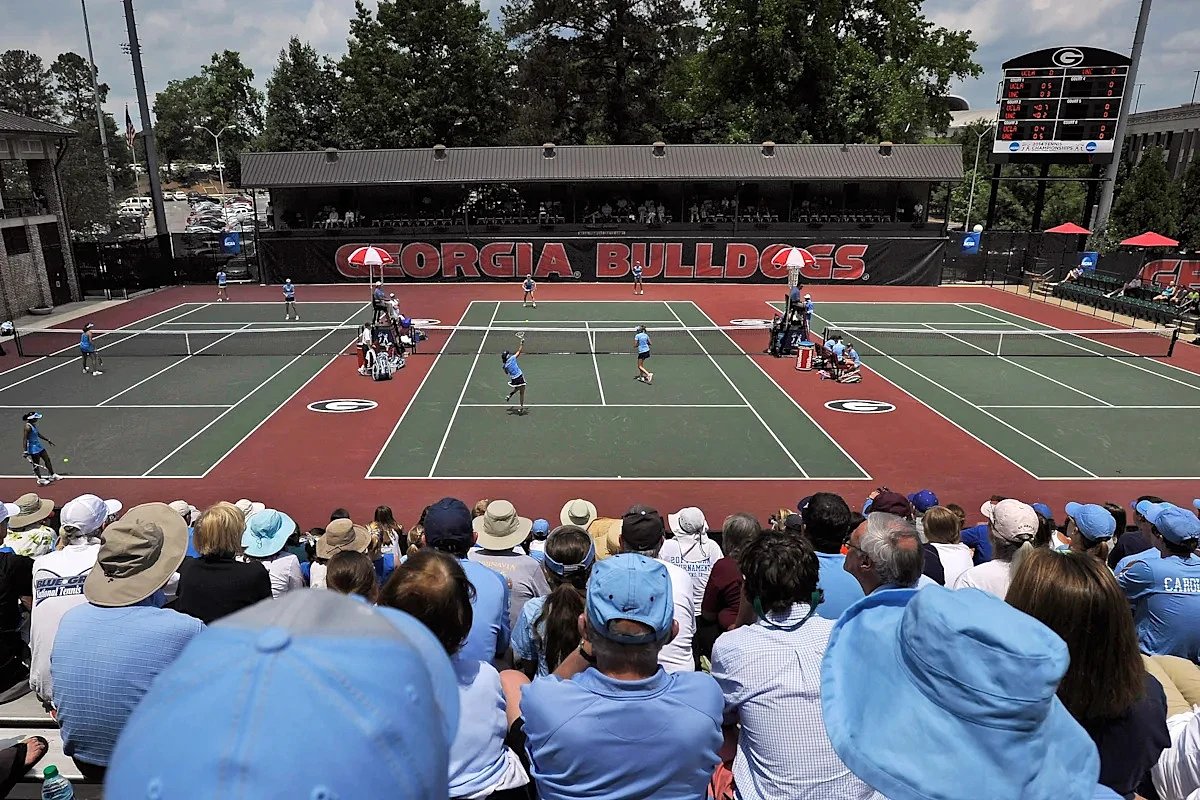
While basketball celebrates its newfound beer money, smaller sports across the NCAA are fighting for survival. The headlines tell a sobering story: a top-tier tennis program at Arkansas has been disbanded, and golf teams at Wichita State have been cut as part of a broader purge of non-revenue sports. These moves reflect the harsh reality of tightening budgets and the growing pressure to share revenue with athletes.
Meanwhile, the financial landscape is shifting in other ways. The Big 12 has turned to private equity for loans, while Duke University inked a streaming deal with Amazon that's expected to bring millions more to the Blue Devils. These moves highlight a widening gap between the haves and have-nots in college athletics.
At the center of it all is the College Sports Commission, the body responsible for enforcing the new rules around the hundreds of millions of dollars now flowing to players. But the commission is facing legal challenges and arbitration battles, all while waiting for schools to finalize an agreement that would solidify its authority.
Money is the common thread tying all these issues together. Of the $300 million in new revenue from the expanded tournament, about $131 million will be distributed to conferences whose schools make the cut. As Dan Gavitt, the NCAA's senior vice president of basketball, put it: "The NCAA and conferences and schools generating revenue in responsible ways is important in the current environment with revenue sharing. That wasn't the sole reason, I can assure you that. But it was an important consideration."
The question on everyone's mind, though, is whether this new money will be enough to save the sports that are struggling. During a recent podcast, sports attorney Gabe Feldman posed a pointed question to North Carolina athletic director Bubba Cunningham: if Arkansas can't find a way to keep its tennis program afloat, how can smaller schools like Arkansas State possibly survive?
Cunningham's response was candid: the ultimate solution will require a fundamental rethinking of how college sports are funded and supported. For now, basketball has its beer money, but the rest of the NCAA is still searching for a lifeline.