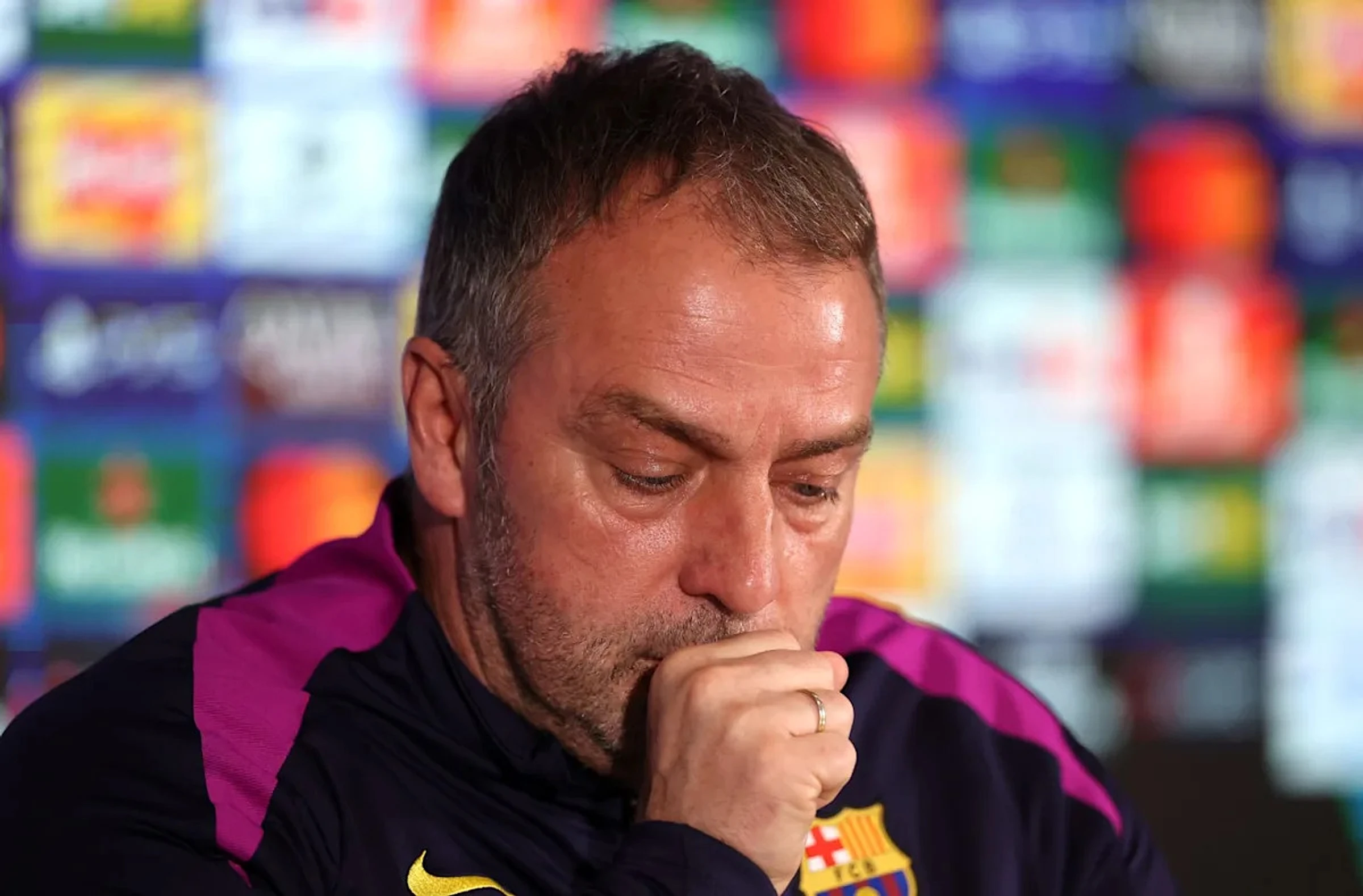
Barcelona's Champions League hopes took a significant hit this week with a 2-0 first-leg quarterfinal defeat to Atletico Madrid. The match turned on a pivotal moment: a first-half red card for defender Pau Cubarsi that forced Barça into a defensive shell for the remainder of the game.
That dismissal, however, points to a deeper and more troubling trend for the Catalan giants. Over the past decade in Europe's premier club competition, Barcelona has developed an unwanted reputation for ill-discipline. Since the 2016/17 season, no other elite club has seen more red cards than Barça's staggering total of 12.
This statistic becomes even more stark when compared to their rivals. In that same period, Real Madrid have received six red cards, and Bayern Munich eight. What was once an occasional setback has evolved into a recurring issue, one that has intensified in recent seasons.
The problem appears to be accelerating. Alarmingly, Barcelona have recorded more dismissals in the last three Champions League campaigns than in the previous seven combined. This surge coincides with the tactical philosophy of manager Hansi Flick, whose system demands a high defensive line and aggressive pressing.
While this approach can create offensive opportunities, it also leaves defenders dangerously exposed in one-on-one situations. Players like Pau Cubarsi and Ronald Araujo have found themselves repeatedly forced into last-ditch, card-worthy challenges to prevent clear scoring chances. In just two seasons under Flick, the club has already seen four red cards.
The consequences are severe and immediate. A red card, especially in the first half of a crucial knockout match, doesn't just mean playing a man down. It forces a complete tactical reshuffle, blunts the team's attacking threat, and hands all momentum to the opponent. This pattern of self-inflicted wounds is a luxury no team can afford on the Champions League stage, as this week's result painfully demonstrated.