The high school basketball world in New York is buzzing—and not for the usual reasons. A power struggle has erupted between one of the state's most celebrated programs and its governing body, and the fallout could reshape the season for everyone involved.
Archbishop Stepinac, a perennial powerhouse in boys' basketball, is facing a postseason ban and a lengthy suspension for its head coach. The alleged crime? Playing in a basketball tournament. Yes, you read that correctly.
On April 21, Kevin J. Pigott, a top administrator in New York's Catholic High School Athletic Association (CHSAA), sent a letter to member schools announcing that the league's executive committee had unanimously recommended harsh sanctions against Stepinac. The penalties include a postseason ban, an eight-game suspension for head coach Pat Massaroni, and a prohibition on out-of-state travel for the program. For a team that regularly competes on the national stage, this is a seismic blow.
So, what sparked this dramatic move? Stepinac accepted an invitation to the Chipotle Nationals, a prestigious event that showcases the best high school teams from across the country. The CHSAA had warned the program not to participate, arguing that the tournament operates outside the framework of the National Federation of State High School Associations. The league's stance? Stepinac's decision to play was a direct violation of its rules.
But the controversy doesn't end there. The CHSAA also claimed that Stepinac broke league rules by committing to a tournament that extended beyond 4 p.m. on Holy Thursday. Stepinac faced off against Ohio prep powerhouse SPIRE Academy in the opening round on April 1, the Wednesday before Easter Sunday. Had the Crusaders advanced, they would have played at 6 p.m. on Holy Thursday and potentially again on Friday and Saturday. Stepinac lost that game, but the damage—at least in the eyes of the CHSAA—was already done.
The recommended sanctions are reminiscent of the kind of penalties the NCAA used to levy against programs caught funneling money to recruits. The CHSAA's executive committee called for all levels of Stepinac basketball—from varsity down to the youngest teams—to be barred from the 2027 league playoffs. The varsity team would also be banned from playing any out-of-state games, effectively cutting off the program from the national exposure it has worked so hard to earn.
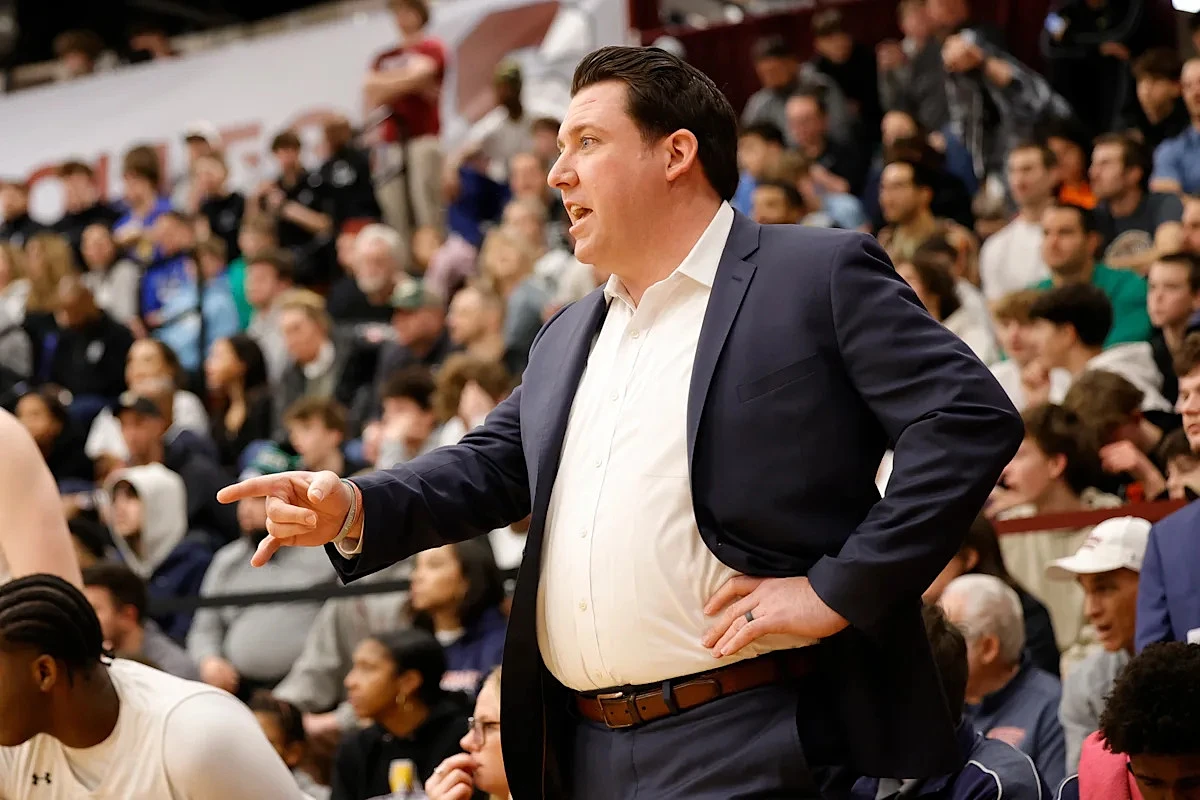
For a program like Stepinac, which has built its reputation on competing against the best, these sanctions feel like a potential death penalty. The Crusaders have become a fixture in the national high school basketball conversation, and this ruling threatens to sideline them just as they were gaining momentum. Head coach Pat Massaroni, who has been at the helm of this rise, now faces an eight-game suspension that could disrupt the team's chemistry and rhythm.
The question on everyone's mind: Is this really about a tournament? Or is it about something bigger—a clash between tradition and ambition, between local governance and national aspirations? As the basketball community watches closely, one thing is clear: this story is far from over.