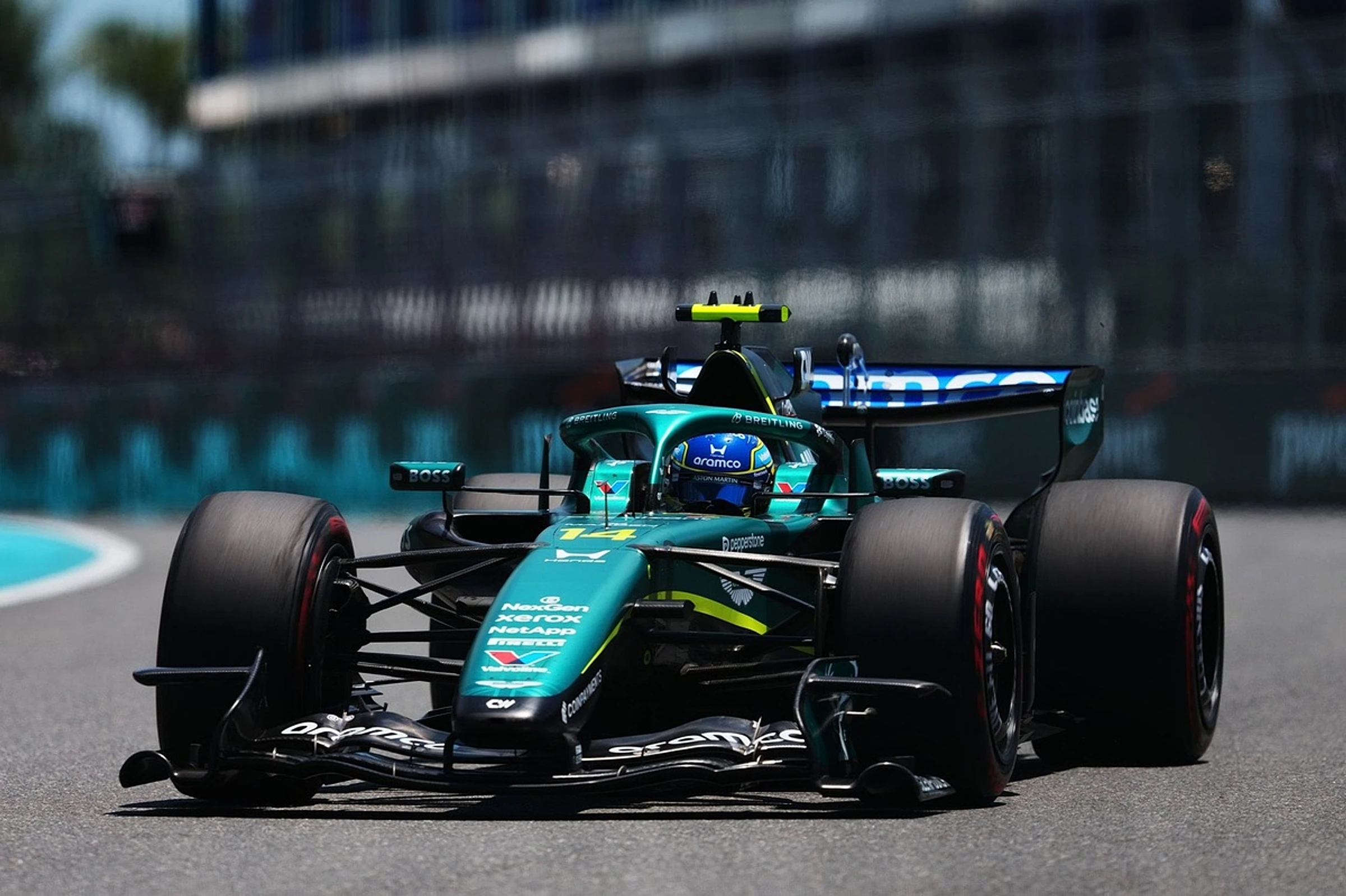
After a rocky start to their new partnership, Aston Martin and Honda are finally seeing the light at the end of the tunnel. The team's first double finish of the season at the Miami Grand Prix signals a major breakthrough for a project that, just two months ago, seemed to be on the brink of disaster.
When Aston Martin made the bold switch from customer Mercedes powertrains to a works Honda power unit deal, few could have predicted the teething troubles that followed. The Japanese engines generated persistent vibrations that not only damaged batteries but also left drivers physically numb behind the wheel. The result was a nightmare opening to the season: just one official finish across the first three grands prix, four retirements, and Lance Stroll unable to complete more than 15 laps in Melbourne without needing a break.
But every great comeback story needs a turning point, and for Aston Martin, it came during F1's unexpected five-week break in April. The team left one of its AMR26 cars in Japan following the Suzuka round, where Honda engineers worked tirelessly on the dyno bench to diagnose and fix the vibration issues. The results were immediately apparent in Miami.
"The reliability and the vibrations are much better than what it has been so far," said Fernando Alonso after qualifying. "That's the main positive of this weekend. Let's say we can tick that box because the car behaves normal now. No issues to finish the race tomorrow. No reliability concerns."
The Spanish veteran confirmed after the main race that he experienced no vibrations on Sunday, while Stroll offered a more understated report of "less vibrations." Both cars completed the sprint and the main race in Florida without issue—a milestone that seemed impossible just weeks ago.
When asked about the drivers' slightly different assessments, Aston Martin chief trackside officer Mike Krack was characteristically measured: "I think we are happy with it, and I think our partner wants to do more." Honda Racing Corporation trackside general manager Shintaro Orihara added more detail: "After the Japanese Grand Prix, I mentioned HRC and Aston Martin worked very hard to bring countermeasures here. We confirmed them working well, and also, drivers gave us positive comments. That's good progress for Aston Martin and Honda."
For F1 fans, this is the kind of resilience that makes the sport so compelling. A team that couldn't finish a race is now looking ahead to optimizing energy management and data settings. For the engineers and mechanics who lived through those early retirements, the Miami double finish isn't just a result—it's validation that the hard work is paying off. And for the drivers, it means they can finally focus on racing, not just surviving.