
The cigars were just getting lit. The triangled bottles of Don Julio Anejo 1942 tequila were just getting opened.
Players put on Super Bowl 60 champions-branded ski goggles, to protect their eyes from the sweet burn of champagne popping from bottles.
Yet Nick Emmanwori, Leonard Williams, Ernest Jones, Jake Bobo and other veteran Seahawks inside the San Francisco 49ers’ home locker room at Levi’s Stadium in Santa Clara, California, celebrating their Super Bowl domination of New England minutes earlier were already dreading the upcoming week.
They were sad they weren’t going to be with their teammates more, preparing for another game of the 2025 season.
“The journey and the brotherhood as the year’s gone on, it feels almost surreal,” Emmanwori told The News Tribune amid the music and roars that had yet to fade 90 minutes after the Super Bowl ended Feb. 8. “Like, yeah, we won the Super Bowl. But I’m a little bittersweet.
“This team was SO special. This is the type of team you think about years from now. This is the type of team that was really, truly a brotherhood.”
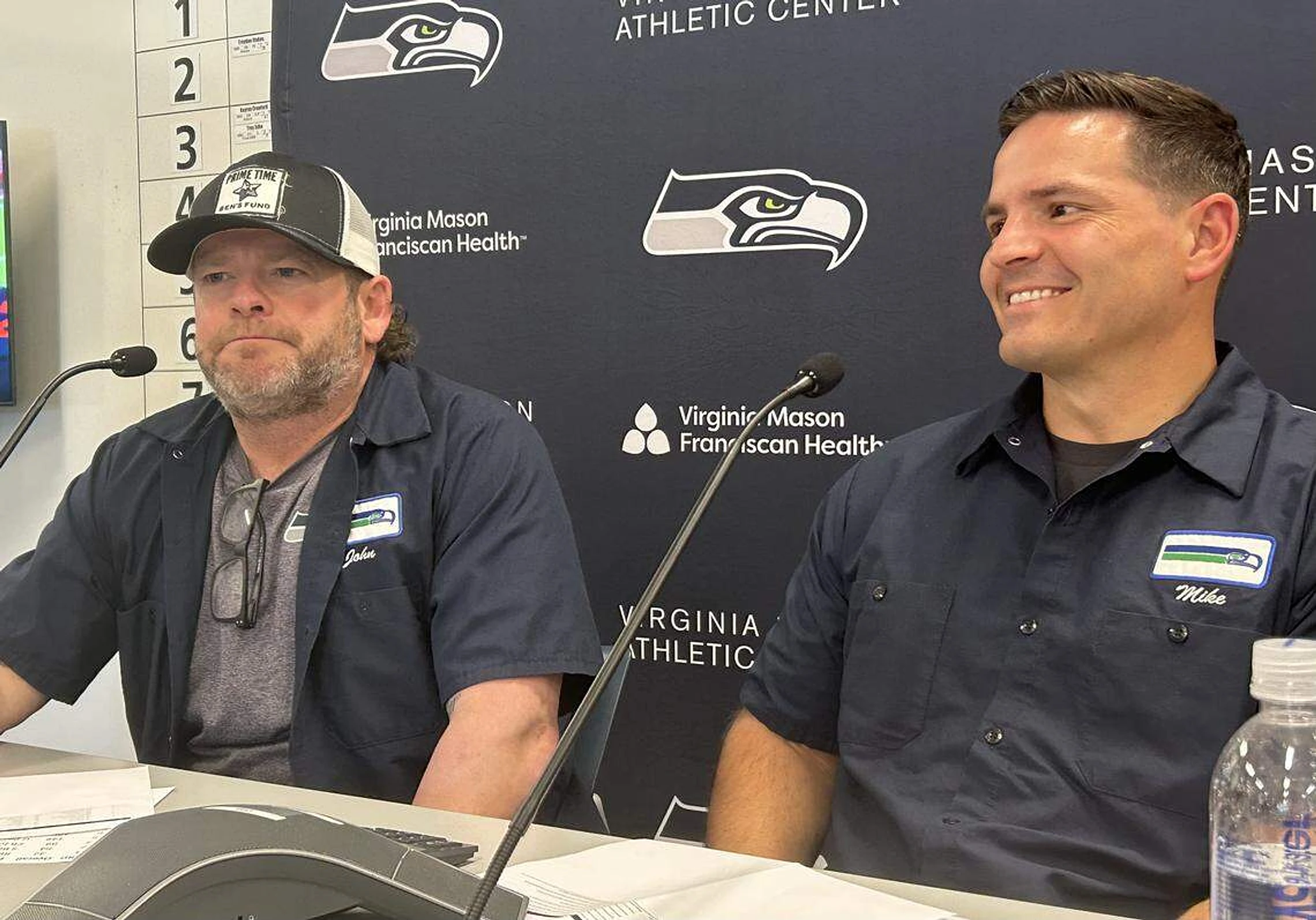
THAT, above all else, was the challenge John Schneider, Mike Macdonald and their Seahawks leaders had in the 2026 NFL draft.
Evaluate and select 22-, 24-year-old college prospects on how they project to fit into Seattle’s culture of brotherhood in the locker room.
General manager John Schneider’s goal for his 17th draft leading the Seahawks was to avoid what the said the team endured for years starting a decade ago in the wake of Seattle’s only other Super Bowl championship: Rookies and younger players in awe of Richard Sherman, Kam Chancellor, Earl Thomas and the stars they’d watched on TV while as college and high-school kids.
Those years of younger player deferring and awed to veterans resulted in far less competitive practices. That resulted in weaker teams — and an 11-year wait to play in another Super Bowl that ended in February.
That’s why a prospect’s competitiveness and confidence became bigger traits than 40 times and game tape for this year’s Seahawks draft.
“We’re going back to back,” the cornerback from Arkansas and Fresno State proclaimed among some of his first words to Seahawks reporters on the phone Friday night, minutes after the team made Neal its third-round pick.
“I’m the most physical corner in this draft class,” Neal also declared.
“I come down, I hit something. I’m going to go up and get the ball. I’m getting interceptions. I’m pressing dudes at the line. I’m locking dudes up at the line.
When Schneider was told of Neal’s comments, the GM shot a look and said: “Julian said that?”
“We’ll talk to him about messages,” Macdonald, seated next to Schneider, said.
Jadarian Price was the Seahawks’ number-one pick, the 32nd pick to end round one Thursday.
How competitive is the new running back poised to replace departed Super Bowl MVP Kenneth Walker? Price turned down potentially millions of dollars in NIL money other schools were offering for him to transfer from Notre Dame all his college years. That was because Price remained a backup to Notre Dame superstar back Jeremiyah Love, the third pick in this draft by Arizona.
“I made a challenge to myself to split reps with the best player in college football. And I did that,” Price said. “And I showed that I can do it at the highest level.
“Sitting here now,” he said late Thursday night as a new Seahawk, “it’s the greatest decision I could have made.”