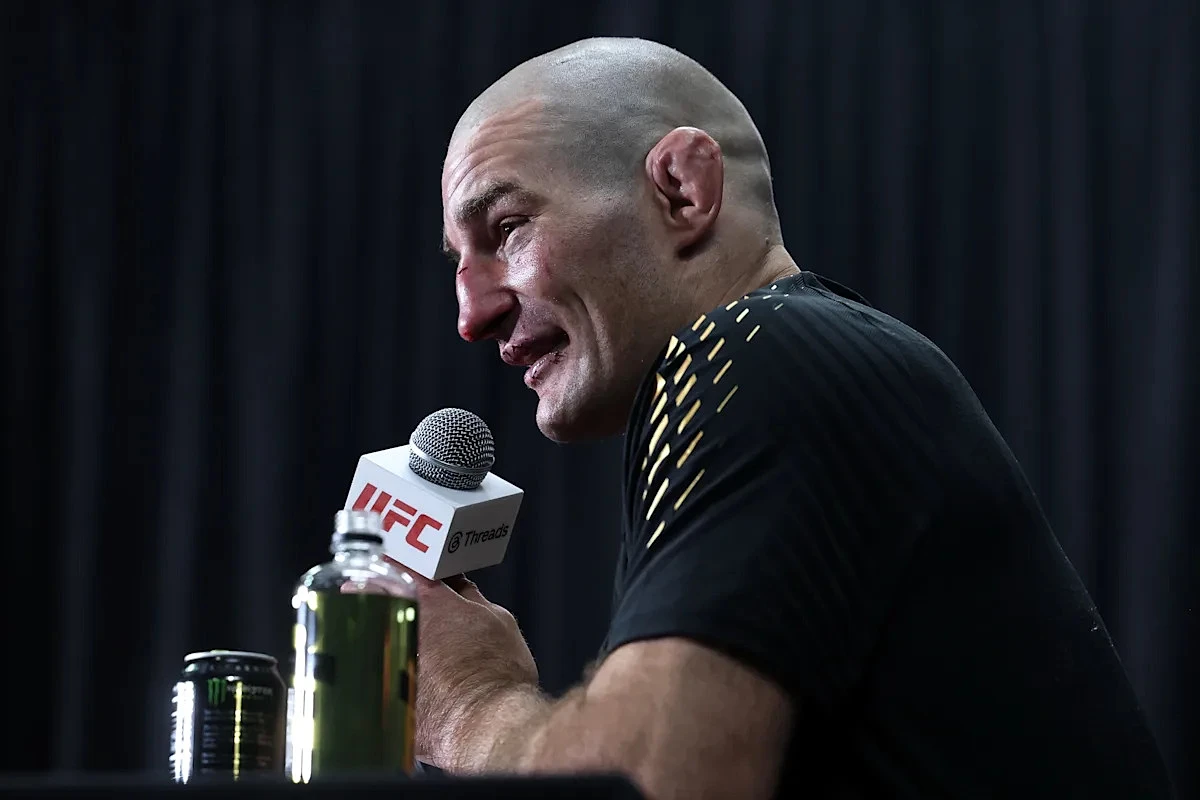
In the world of UFC champions, few fighters embody contradiction quite like Sean Strickland. After another stunning upset victory at UFC 328—this time over Khamzat Chimaev for the middleweight title—the question remains: is Strickland the sport's ultimate antihero? The answer depends entirely on which version of him shows up.
Leading into the fight, Strickland did what he does best: pushed buttons. His pre-fight rhetoric was vintage Strickland—blunt, offensive, and designed to get under his opponent's skin. He painted Chimaev and his team in the harshest possible light, leaving fans wondering if the bad blood would spill over after the final bell, much like the infamous McGregor-Nurmagomedov brawl at UFC 229.
But here's where the paradox kicks in. Anyone who's followed Strickland's career knows that the man who steps into the cage is not the same man who steps out. The fighting itself acts as a kind of therapy session, stripping away the bravado and leaving behind something raw and vulnerable. After the final horn, Strickland doesn't hold grudges—he offers apologies. He doesn't stoke fires—he extinguishes them.
Saturday night in Newark was no different. As Chimaev placed the belt around Strickland's waist, the hostility that had defined their buildup simply evaporated. Twenty-five minutes of war had cleansed the air between them. They even showed mutual respect during the fight itself, a rare sight given the animosity that preceded it.
Strickland later admitted he may have laid it on a bit thick with the pre-fight talk—the "goatf***ers" and "whores" and threats to "shoot every Chechen in the tri-state area." But that was the point. He was selling a fight, and in the UFC, sometimes the loudest voice wins. The man who can't stop talking trash before the bell is the same man who can't stop apologizing after it.
In a sport built on violence and ego, Sean Strickland remains one of its most fascinating psychological case studies—a fighter who uses conflict to find peace, and who reminds us that in the cage, as in life, the hardest battles are often with ourselves.