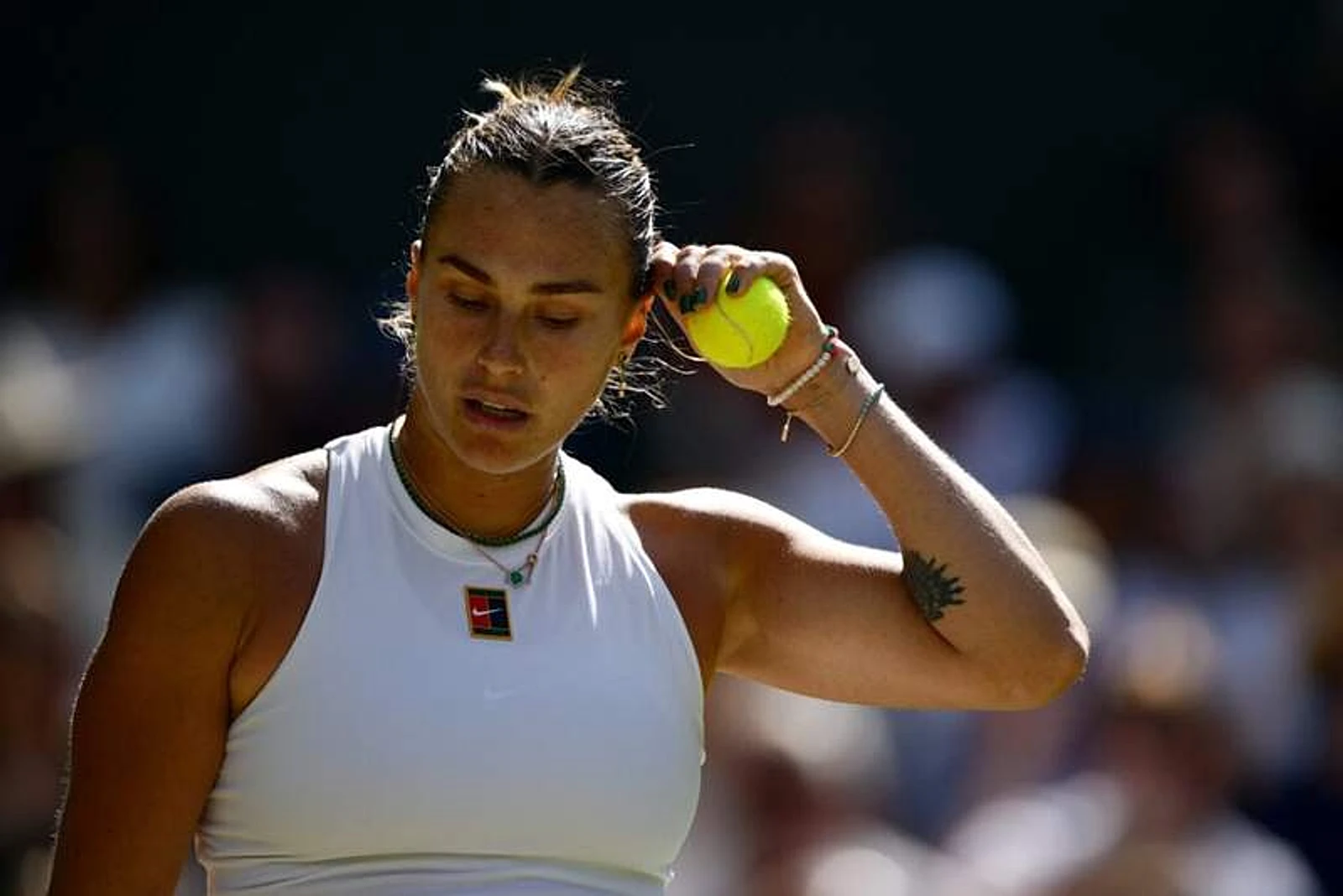
Aryna Sabalenka, the current world No. 1, has sent shockwaves through the tennis world by hinting that Grand Slam boycotts could be on the horizon if prize money disputes aren't resolved. The Belarusian star didn't mince words when asked about the growing frustration among players over their share of tournament revenue.
"I feel like the show is on us. Without us, there wouldn't be a tournament, and there wouldn't be that entertainment," Sabalenka said during her press conference at the Italian Open. "I feel like definitely we deserve to be paid more percentage."
When pressed on whether players might actually take the drastic step of boycotting tennis's biggest events, Sabalenka's response was blunt: "I think at some point we will boycott it, yeah. I feel like that's going to be the only way to kind of fight for our rights."
The controversy has been simmering for months, with former Wimbledon semifinalist Sam Querrey recently suggesting that players would be better off boycotting Grand Slams rather than simply complaining about pay. Now, with the world No. 1 echoing that sentiment, the conversation has taken a more serious turn.
The core of the dispute isn't just about prize money amounts, but about the percentage of revenue players receive. Top players from both the ATP and WTA tours released a joint statement after learning that French Open prize money would rise by only 9.5% from 2025 to 2026—a figure they say doesn't come close to matching the tournament's soaring revenues.
"Roland Garros generated €395 million in revenue in 2025, a 14% year-on-year increase, yet prize money rose by only 5.4%, reducing players' share of revenue to 14.3%," the statement read. "With estimated revenues of more than €400 million for this year's tournament, prize money as a percentage of revenue will likely still be less than 15%, far short of the 22% that players have requested to bring the Grand Slams into line with the ATP and WTA tours."
The players emphasized that while Roland Garros posts record revenues, their share of the value they help create continues to shrink. "More critically, the announcement does nothing to address the structural issues that players have consistently and reasonably raised over the past year. There has been no engagement on player welfare and no progress towards establishing a formal mechanism for player representation in revenue decisions."
For fans who love the sport and enjoy wearing their favorite players' gear, this dispute raises an uncomfortable question: Could we see a day when the biggest tournaments go on without the biggest stars? Sabalenka's warning suggests that if the financial scales don't tip more in the players' favor, the unthinkable might become reality.