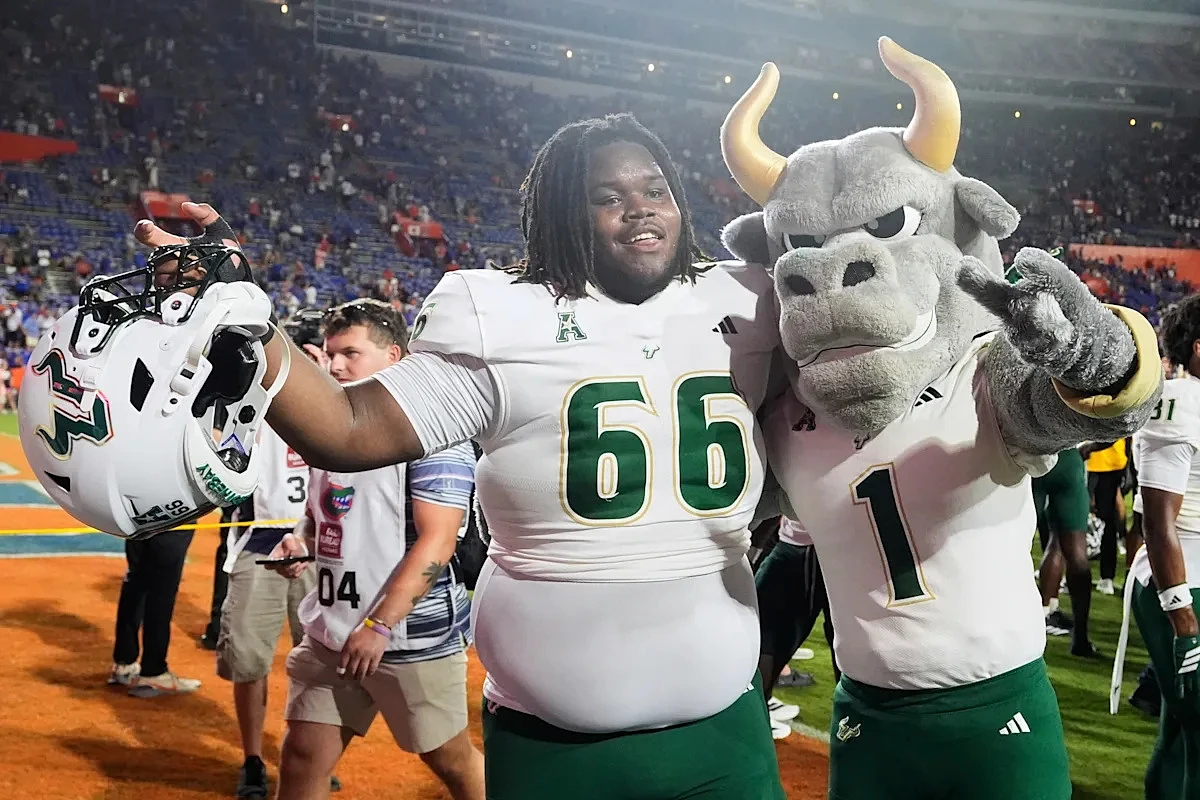
As the college sports landscape shifts faster than a fastbreak in March Madness, Florida is stepping up to the free-throw line with a bold play: regulating the agents who represent student athletes. In the wake of the NIL (Name, Image, and Likeness) revolution, where endorsement deals have become as common as jersey swaps, some athletes are finding themselves on the wrong end of the bargain. Now, Florida officials are looking to call a timeout on questionable practices.
The Sunshine State could become one of the first in the nation to tighten the reins on sports agents, introducing measures that include capping agent commissions, mandating new registration requirements, and even charging agents a fee to prove they're the real deal. "We don't want to be the state that regulates the agents by ourselves," said Amy Hass, the University of Florida's deputy athletic director, during a recent Board of Governors meeting. "But we could lead that and maybe do right by these kids."
The push comes as the college sports industry has exploded past $1 billion in value since NIL deals took center stage, a game-changing shift accelerated by the 2025 House v. NCAA settlement that allows schools to make direct payments to athletes for the first time. With nearly 70 percent of agents now operating in this Wild West environment, Florida's university system task force on intercollegiate athletics is crafting state-level policies to install some guardrails. Ideas on the table include creating an interstate compact or a state trust for NIL earnings, all while state leaders lobby Congress for an antitrust exemption to regulate endorsement deals and shield schools from potential lawsuits.
For athletes and fans alike, this is about more than just paperwork—it's about protecting the next generation of stars from getting benched by bad deals. Whether you're a student-athlete looking to score your first endorsement or a fan rocking your school's gear, Florida's move could set a new standard for how the game is played off the field.