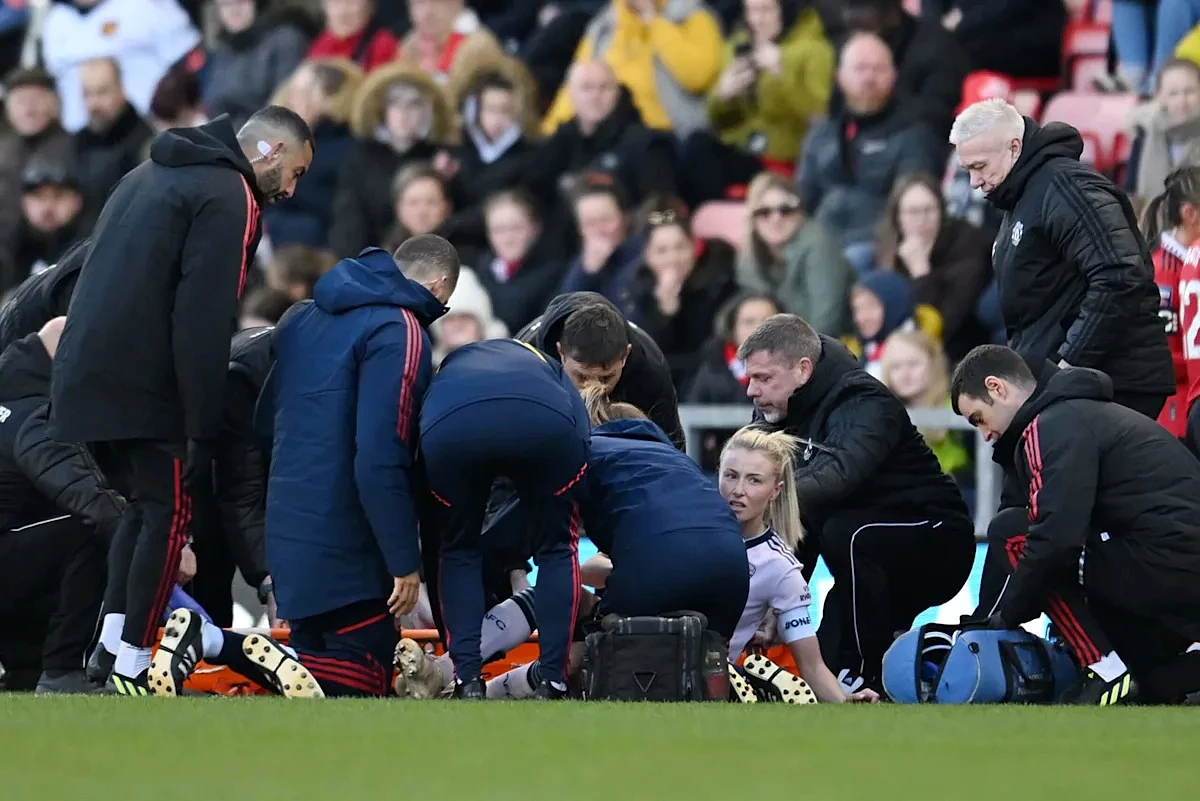
For female athletes, the phrase "anterior cruciate ligament (ACL)" is often spoken with a sense of dread. It's a term that has become synonymous with a crisis, branded an "epidemic" across sports headlines. Sarah Johnson, a postdoctoral bioengineering researcher at Stanford University, recalls the palpable distress and the mounting pressure on scientists like herself to provide immediate solutions to a complex problem.
That pressure highlights a critical moment in sports science. As women's sports experience unprecedented growth in participation, visibility, and investment, there is a parallel surge in demand for female-specific health research. For too long, the field has relied on models built almost exclusively on male physiology, treating women as simply "little men."
Now, a sea change is beginning. Major investments, like Michelle Kang's $55 million endowment to U.S. Soccer and the work of the Wu Tsai Human Performance Alliance, are fueling a new era dedicated to understanding the female athlete. The goal is to move beyond generalizations and develop precise, actionable science.
However, as Professor Kirsty Elliott-Sale notes, "Good science is slow." The rigorous process of peer-reviewed research and practical implementation takes time. In this gap, a vacuum of information has formed, increasingly filled by voices on social media platforms like TikTok.
This creates a challenging landscape for athletes. "Women across all ages are hungry for true information about vital health decisions," Johnson explains, "but there’s a lot of grey that we’re living in right now." The nuanced answers that begin with "it depends" often get lost amidst quick-fix myths and oversimplified advice circulating online.
The fight, therefore, is twofold: to accelerate credible, women-centered sports science and to ensure those evidence-based findings reach athletes before misinformation does. The future promises more clarity—perhaps being able to pinpoint how menstrual cycle phases affect injury risk—but building that future requires patience, investment, and a critical eye toward the information we consume today.