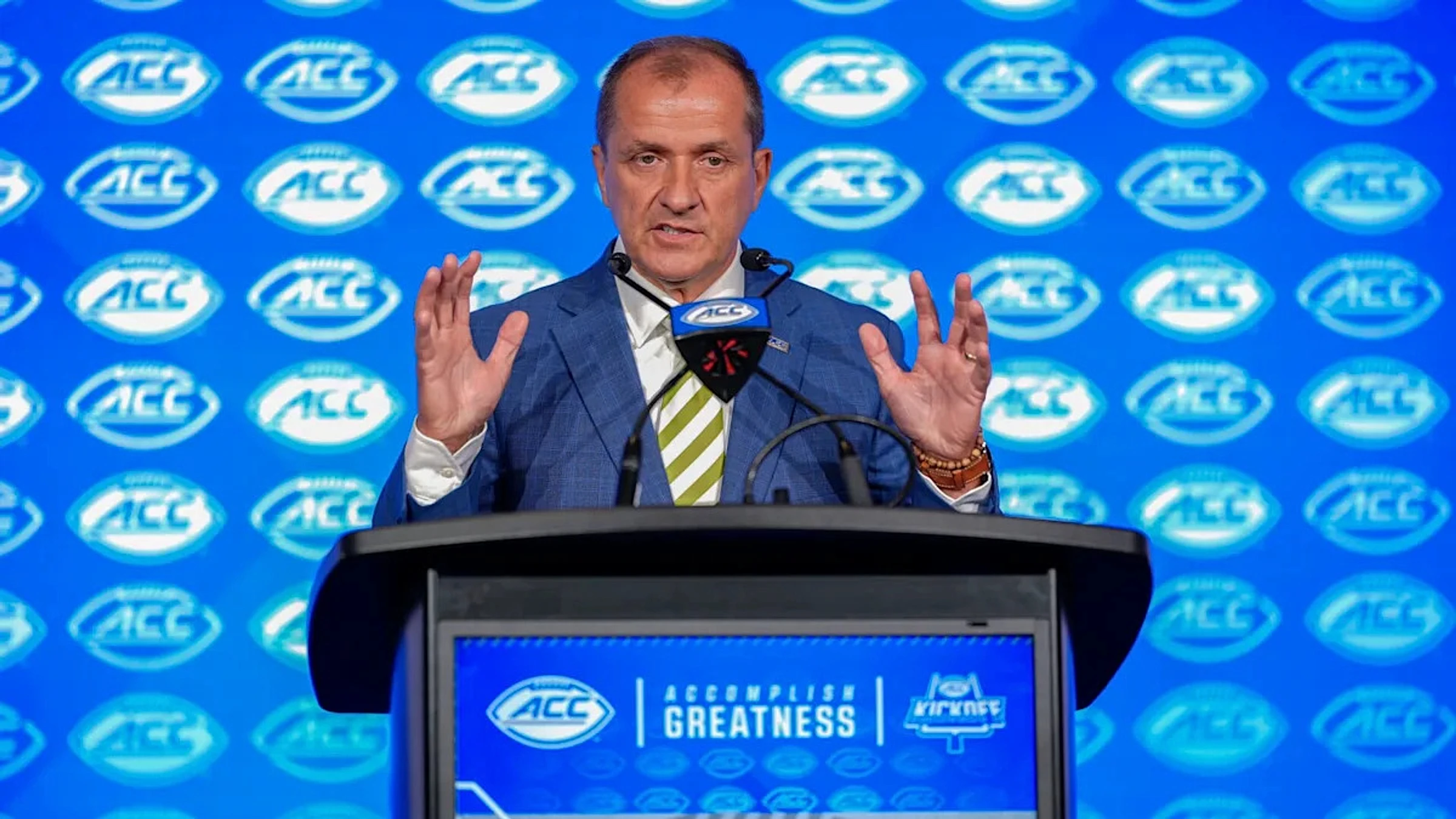
The ACC is officially throwing its weight behind the Big Ten's proposal to expand the College Football Playoff to 24 teams, a move that could reshape the postseason landscape. Commissioner Jim Phillips made the announcement Wednesday, capping off three days of spring meetings at a prestigious resort in northeast Florida, where ACC coaches and athletic directors reached a consensus on doubling the current 12-team model.
"When you're leaving national championship-contending teams and schools out of the playoff, you don't have the right number," Phillips said, pointing to recent snubs that have fueled the push. He highlighted Florida State's exclusion from the four-team CFP in 2023 despite an undefeated season, and Notre Dame being left out of last year's expanded field.
"Notre Dame was a CFP-worthy team this year; they just were," he added. "The other rationale is there is so much investment going on in the sport of football and in college athletics. If you're going to ask presidents and chancellors and boards to continue to invest in their football programs, it's really important that they have hope, that they have an opportunity at the beginning of the season to get into the playoff."
The demand for more access is no surprise. Coaches and administrators across the FBS have long argued that 12 playoff spots for 138 teams is a tiny fraction compared to other collegiate sports or major pro leagues. "The more the merrier," said Florida State athletic director Michael Alford. "The more opportunities to get teams in and give student-athletes opportunities."
However, not everyone is on board with such a massive leap. Phillips noted that TV partner ESPN "has been pretty clear with all of us that they'd like it to stay at 12, maybe 14, but no higher than 16." That puts the network at odds with the growing momentum for a 24-team field.
Ultimately, the power to decide the CFP's future lies with the Big Ten and the SEC. Commissioners Tony Petitti and Greg Sankey hold the keys to any expansion, meaning the ACC's support, while significant, is just one voice in a high-stakes conversation that could redefine college football's postseason for years to come.