Duke basketball is making headlines again—but this time it's not just about their performance on the court. The Blue Devils' groundbreaking exclusive media rights deal with Amazon has sparked a heated debate between two of college sports' biggest conferences: the ACC and the Big Ten.
At the center of the controversy is a three-game package of Duke's non-conference games, including a highly anticipated showdown against defending national champion Michigan at Madison Square Garden. While the deal opens up exciting new revenue streams for college basketball, it's also raising questions about how these partnerships should be managed moving forward.
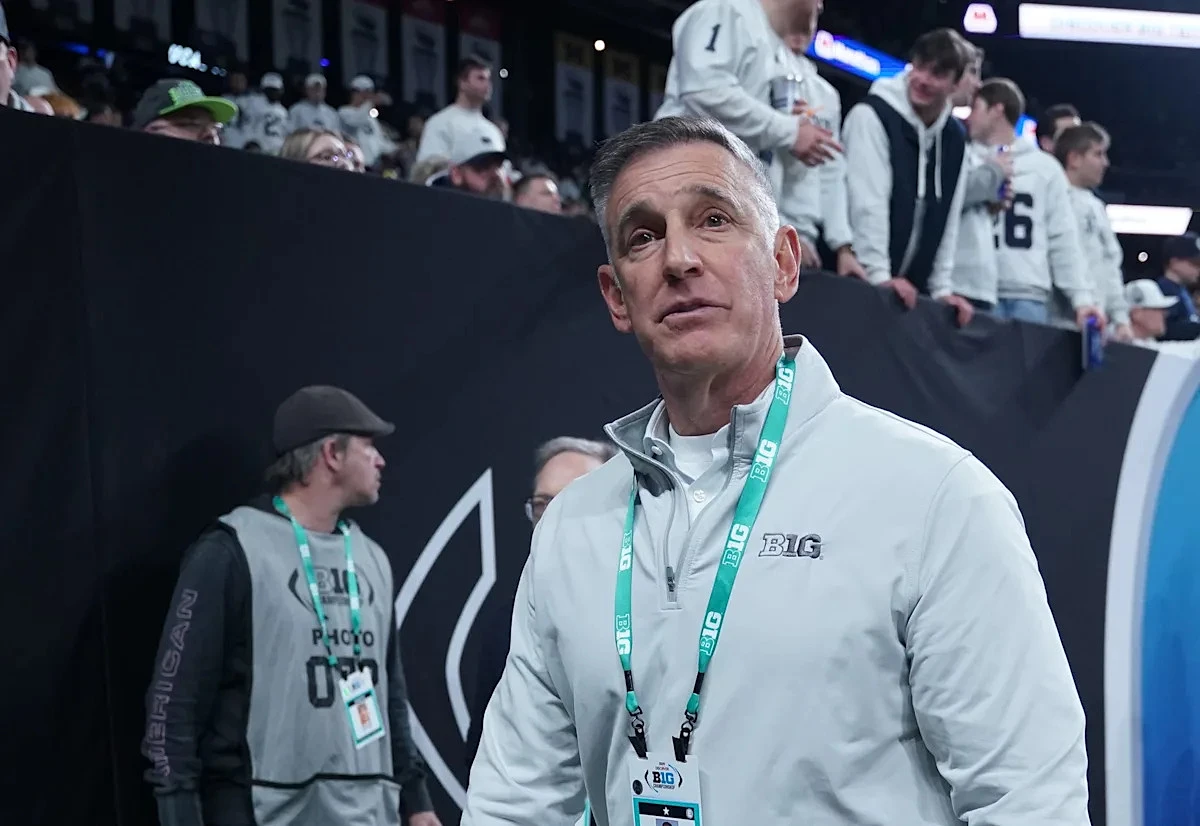
Big Ten Commissioner Tony Petitti has reportedly expressed concerns about the arrangement. Since Michigan is a co-participant in one of the games, Petitti believes the Big Ten deserves a share of the Amazon payout. It's a reasonable point—after all, the Wolverines are bringing their own star power and fan base to the table.
But the ACC is standing firm behind Duke. Commissioner Jim Phillips told ESPN he's "not worried about it at all," emphasizing that ESPN was involved in every step of the process. "To Duke's credit, they came up with something creative and brought it to ESPN and to us," Phillips added.
Duke Athletic Director Nina King insists the program was transparent from the start. "That's between Michigan and the Big Ten and FOX to work on all that," King explained. "From Day 1 with Michigan, we told them what the plan was."
This clash touches on something fundamental: the evolving landscape of college media rights. As schools and conferences explore new partnerships with tech giants like Amazon, the rules of engagement are still being written. For fans, it's a fascinating glimpse behind the curtain of big-time college basketball—and a reminder that the game is about more than just what happens on the hardwood.
Will this dispute reshape how future media deals are structured? Only time will tell. But one thing is certain: the conversation around college sports and media rights is far from over.