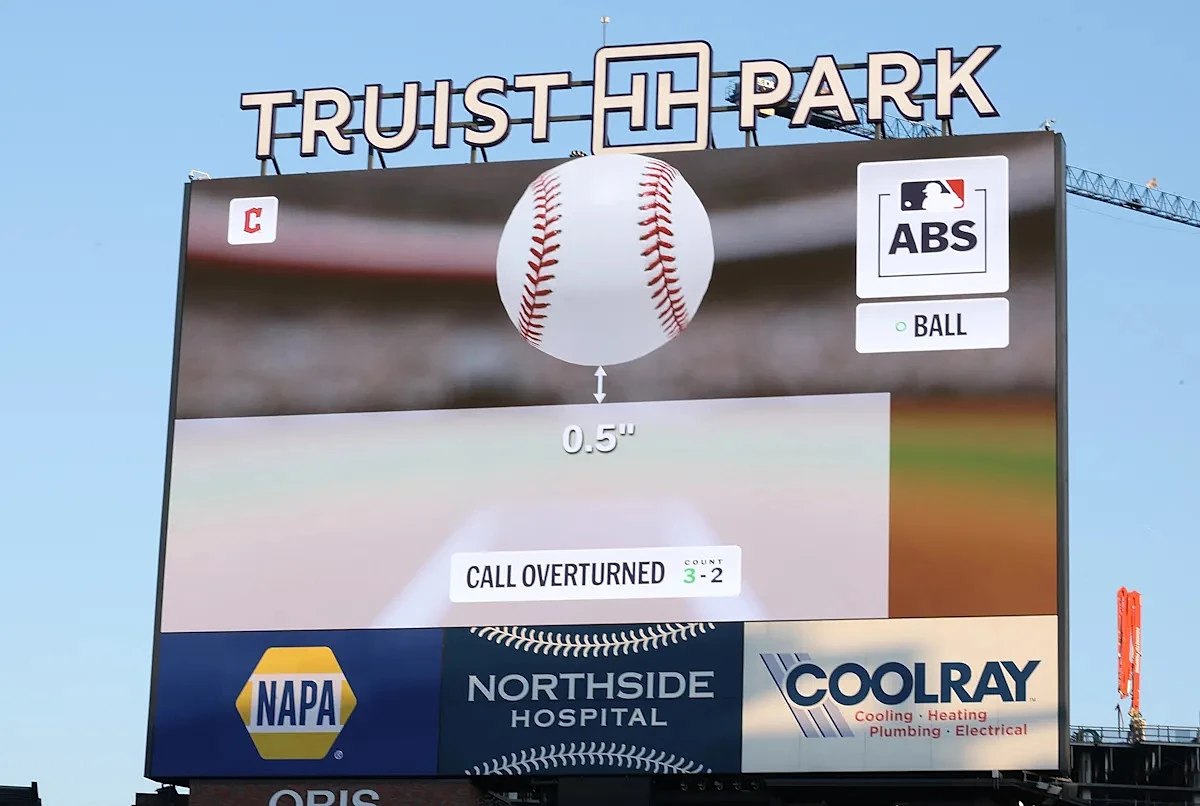
Three weeks into the MLB season, and the new Automated Ball-Strike (ABS) challenge system is already reshaping the game. This isn't just a minor tweak; it's introducing a fresh layer of strategy and a whole new set of stats to a sport already obsessed with data. With players now able to contest ball and strike calls—armed with just two challenges per game, and only keeping them if they win—we're seeing fascinating team tendencies emerge. Let's break down the early trends.
So far, the numbers tell a compelling story. Across the league, players are proving their eyes are sharp. Out of 1,143 total challenges issued, 619 have been successful, meaning umpires' calls are being overturned at a 54% clip. This suggests players and teams are being selective and smart, but not all clubs are on the same page.
The Cincinnati Reds are the early masters of the challenge, boasting a league-leading 72% success rate. However, they've only challenged 29 times, showing a strategy of precision over volume. On the other end, the Atlanta Braves, Cleveland Guardians, and Washington Nationals are struggling, all sitting below a 40% success rate. For a team like Washington, with a league-low 34% success, an early incorrect challenge can severely limit their ability to contest calls later in the game.
Then there's the volume approach. The Minnesota Twins are the most active, having already challenged a whopping 61 calls—nine more than the next-closest team. Their 57% success rate allows them to keep their challenges and continue being aggressive. This creates a strategic dynamic: successful teams can challenge more, while teams that are wrong early often find themselves out of challenges when they might need them most. It's a high-stakes game within the game, and the early adopters are gaining a clear edge.