The NFL Draft has become a cultural phenomenon, and this year was no exception. As the Chicago Bears made their picks, I found myself glued to the coverage—streaming on my phone while cooking dinner, catching alternate angles on NFL Network, and even laughing with my wife at the colorful scouting lingo like "fluid hips" and "dancing bear." It's a far cry from the days when the draft was a one-day ESPN marathon I'd binge as a kid.
On Day 3, I visited a friend who was watching two analysts break down every pick in real time. When I asked if it was a YouTube stream, he said, "No, this is HBO." Sure enough, it was Trevor Sikkema, a guest we'd had on our podcast years ago. That moment drove home how dramatically draft coverage has evolved—now we have multiple platforms, instant grades, and endless analysis.
But with all this buzz comes a challenge: how do we process it all? The rise of "draft risers," "value picks," and the all-powerful Consensus Draft Board has turned the months leading up to the draft into a non-stop information cycle. Yet we often forget two key truths. First, scouting is far from an exact science—top college prospects can flop, while underdogs can become stars. Second, fit matters just as much as raw talent.
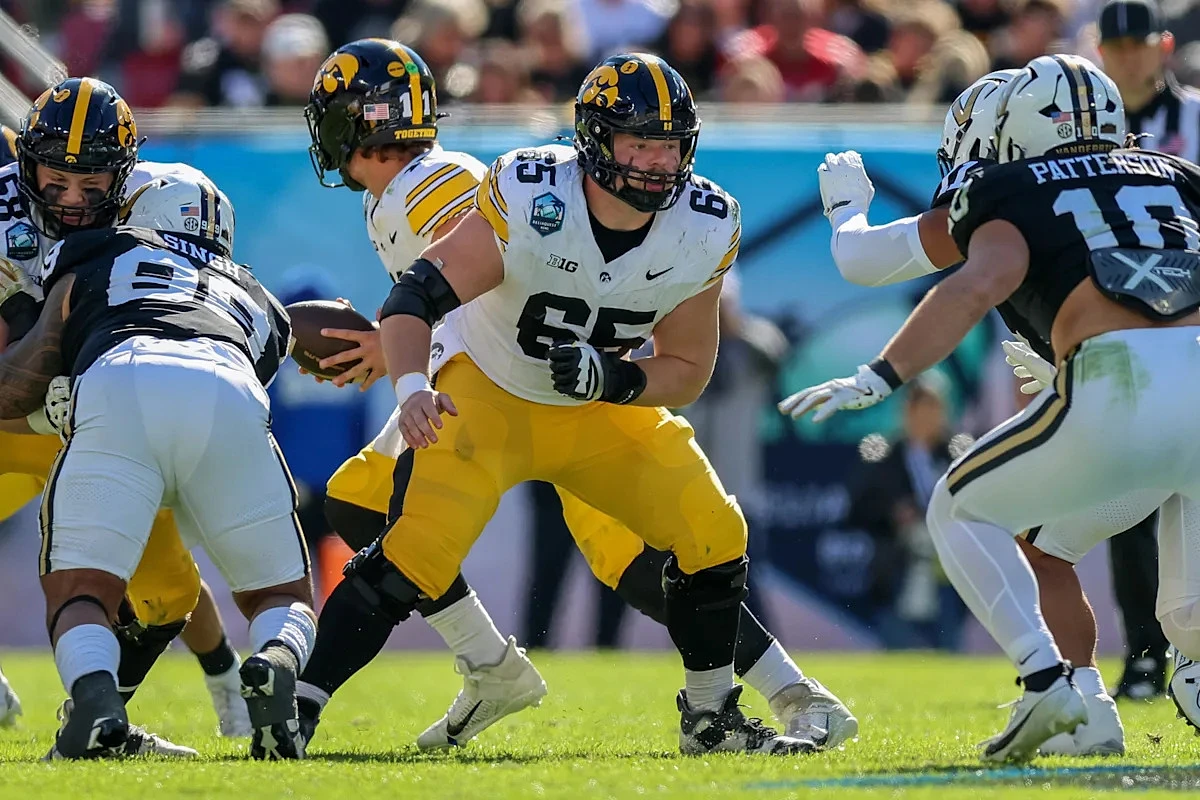
Take the Bears' second-round selection, Logan Jones. On paper, some analysts might call him a reach based on their big boards. But as Sikkema pointed out, his fit in Chicago's system could make all the difference. That's the beauty of the draft—it's not just about rankings; it's about how a player's skills mesh with a team's identity.
Whether you're a die-hard fan or a casual observer, the draft is a reminder that football is as much about strategy and potential as it is about the final score. And for Bears fans, this year's class offers plenty of reasons to be excited—even if we're still decoding all that scouting jargon.