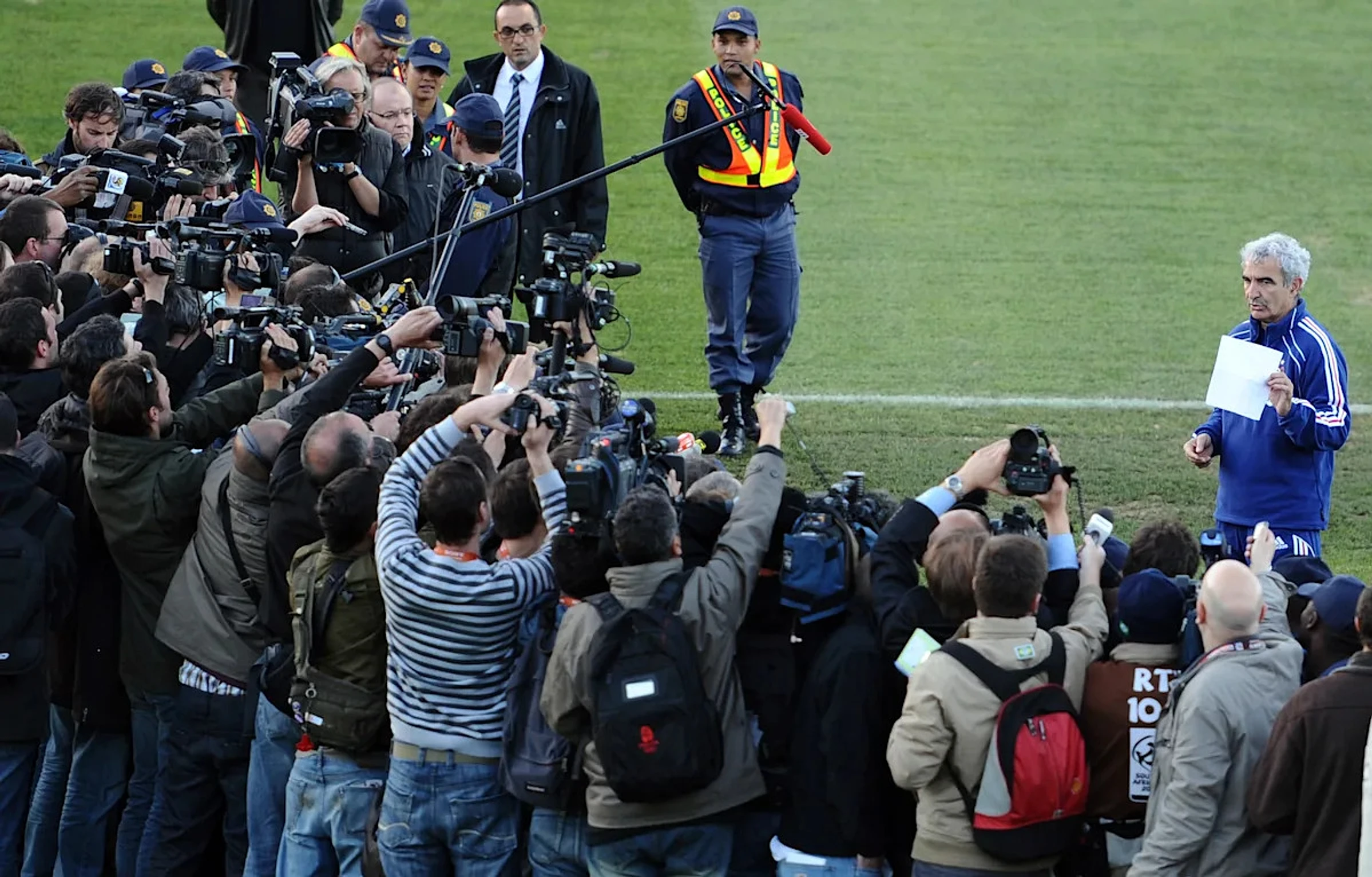
With just 31 days until the 2026 World Cup kicks off, we're looking back at one of the most chaotic moments in tournament history—a saga that turned the French national team from perennial contenders into a cautionary tale.
France arrived in South Africa for the 2010 World Cup as a team with pedigree. They had finished as runners-up just four years earlier, and expectations were high. But what unfolded was nothing short of a disaster, both on and off the pitch.
The trouble started when results failed to match ambition. A drab 0-0 draw with Uruguay was followed by a humbling 2-0 loss to Mexico. Tempers frayed, and during that Mexico defeat, veteran striker Nicolas Anelka unleashed a vulgar tirade at manager Raymond Domenech at halftime. It was the spark that lit a powder keg.
Domenech responded by sending Anelka home mid-tournament—a drastic move that backfired spectacularly. Instead of restoring order, it united the squad in rebellion. The players boycotted a training session ahead of their final group match, handing Domenech a written protest that the frustrated manager read aloud to the press. It was a surreal scene: a national team in open revolt, broadcast to the world.
Already eliminated from knockout contention, France limped to a 2-1 loss against hosts South Africa, finishing bottom of their group. The damage, however, extended far beyond the tournament. The French Football Federation banned Anelka for 18 international matches. The 31-year-old had already planned to retire from national duty after the World Cup, but the ban ensured his international career ended in disgrace.
For fans and players alike, the 2010 implosion remains a stark reminder that talent alone cannot overcome a fractured locker room. As we gear up for another World Cup, it's a lesson in how quickly the beautiful game can turn ugly when unity is lost.