The 2026 Preakness Stakes is shaping up to be a thriller, and if you're looking for a deep handicapping breakdown, you've come to the right place. Forget the usual lore—the Black-Eyed Susans, the temporary move to Laurel Park, or the absence of Kentucky Derby winner Golden Tempo. This year, it's all about pace, positioning, and a few hidden gems that could pay off big.
Let's start with the elephant in the room: speed. Of the 14 horses in the field, a staggering 10 were either leading or within 1 ¾ lengths of the lead at the first call in their last race. To put that in perspective, the 18-horse Kentucky Derby field had the same number of front-runners, and we all saw how that ended—a blistering pace meltdown where the top four finishers came from way off the pace. History might just repeat itself in Baltimore.
The early-speed horses are also drawn at the extremes: No. 1 Taj Mahal on the rail and No. 9 Iron Honor and No. 10 Napoleon Solo on the outside. That's a recipe for a fast, chaotic start as jockeys gun for position from the bell. Expect a hot early pace, which sets the stage perfectly for a pace collapse—and that's where the value lies.
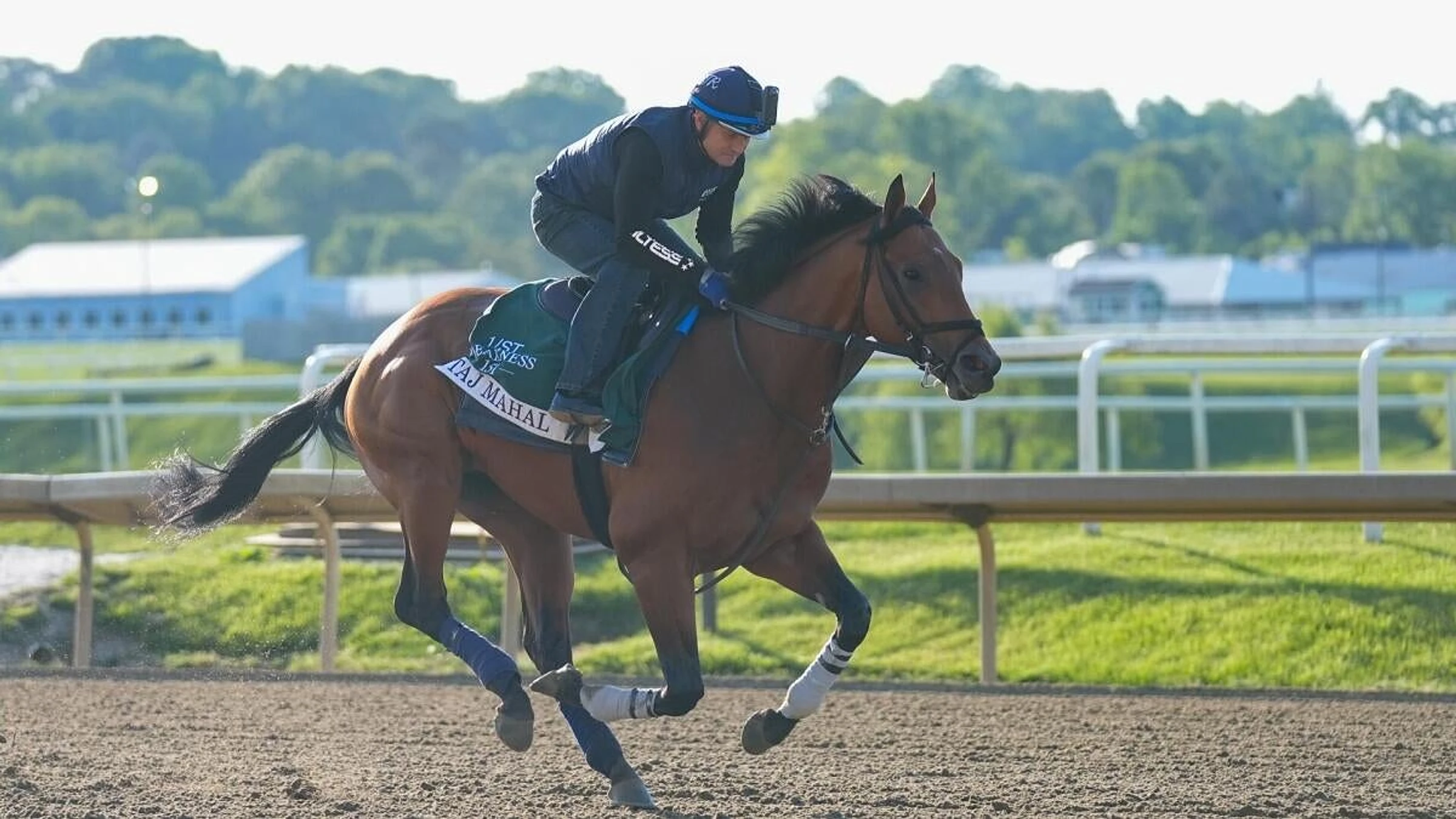
One horse to watch is the local hope, Taj Mahal. He's a perfect 3-for-3, all at Laurel Park, and comes off an eye-popping 8 ¼-length win in the Federico Tesio Stakes. But don't let the rail fool you; he'll need to use his early speed to avoid getting trapped. If the pace collapses, though, look for closers like No. 11 Corona de Oro or the 30-1 longshot No. 14 Pretty Boy Miah to pick up the pieces. These are the horses that will benefit most from a fast early tempo, sitting back and launching a late rally when the front-runners tire.
So, who's the smart bet? Keep an eye on the horses with tactical speed and a proven ability to close. The 2026 Preakness isn't just about who's fastest—it's about who's smartest when the pace heats up.