When you're an NHL general manager, the summer months are supposed to be your time to shine. But if you're looking ahead to 2026, you might want to start preparing for what could be the most dangerous offseason in recent memory.
Hockey fans woke up Tuesday morning to a headline that sent shivers down the spines of front offices everywhere: The Columbus Blue Jackets extended Charlie Coyle to a six-year deal worth $6 million annually. Now, don't get us wrong—Coyle is a solid player who earned his payday. But when a 34-year-old middle-six forward is commanding top dollar and long-term commitment, you know the market is in trouble.
Here's the reality check: The 2026 UFA class was supposed to be a blockbuster. Names like Connor McDavid, Kirill Kaprizov, and Adrian Kempe were expected to headline the free agency frenzy. But almost every team locked up its stars early, leaving the cupboard nearly bare. Free agency is still a month and a half away, and there's already nothing but crumbs left. You know it's a weak class when the biggest name available is coming off a six-figure deal.
But the real danger isn't just the lack of talent—it's the money. Last week's announcement that each team will have an extra $8.5 million to spend, combined with massive cap increases over the past few seasons and more expected in the future, has created a perfect storm. When supply is low and demand stays the same, prices go up. And when everyone has disposable cash, prices shoot through the roof.
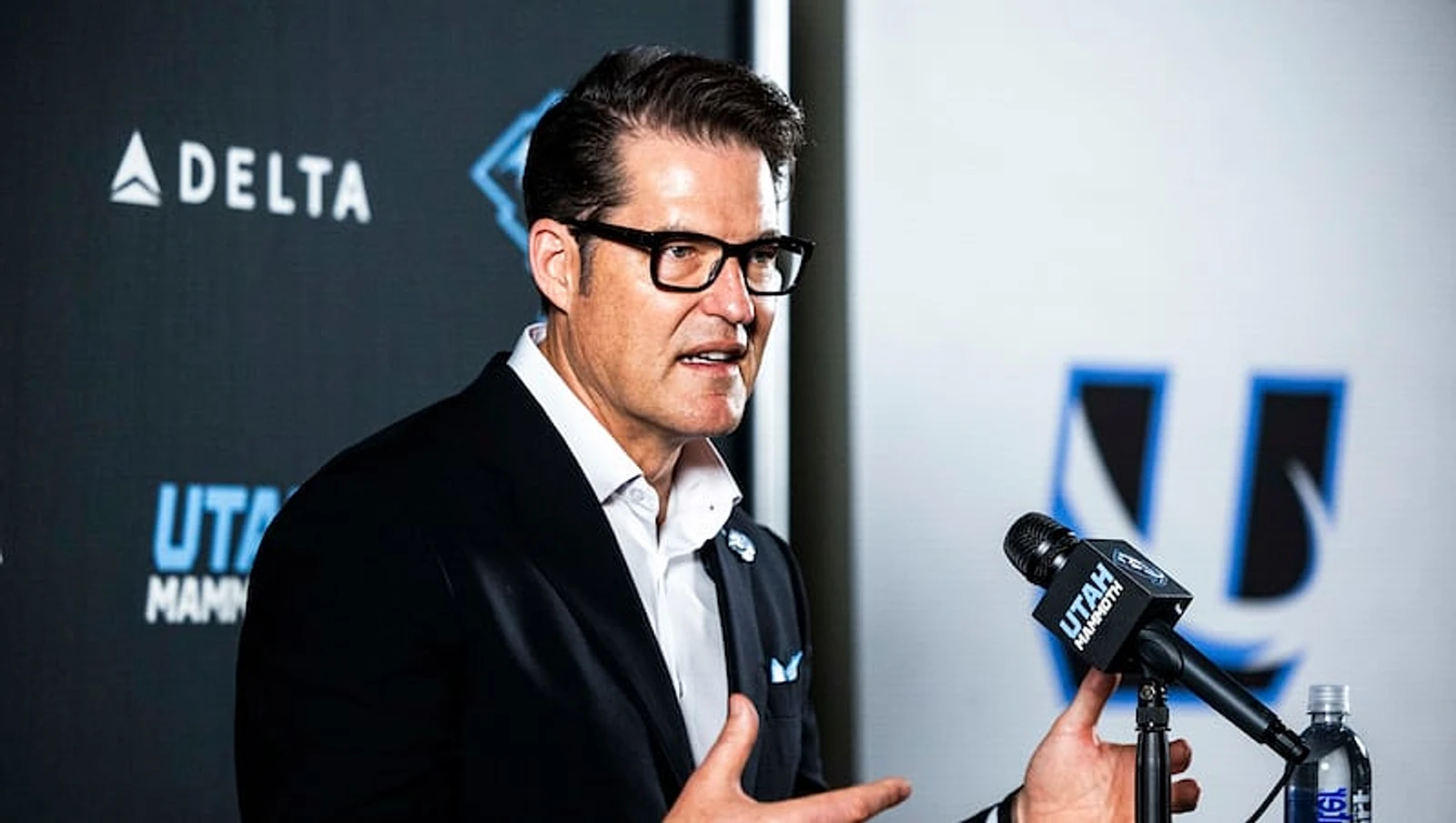
Utah Mammoth GM Bill Armstrong has a favorite saying: "Winning the summer doesn't always mean winning in the winter." This year, that advice is more critical than ever. As Armstrong and his peers scour the free agency market, they'll need to be extra cautious. One bad contract could haunt a franchise for years.
For the Mammoth specifically, their first playoff series made one thing crystal clear: they need more size, grit, and experience. If their remaining unsigned UFAs don't return, they'll have several roles to fill through signings, trades, or internal promotion. It's likely that Dmitri Simashev will take over the left-handed defenseman job, and Daniil But could slide into a depth forward position. There's also a reasonable chance some of the pending UFAs come back to Utah.
The Mammoth also have a deep pool of mid-round draft picks and B-tier prospects—so many, in fact, that they simply can't offer opportunities to all of them. That means tough decisions are coming, and the margin for error is razor-thin.
So as we gear up for what should be an exciting summer of hockey moves, remember this: The 2026 free agency period might be the most dangerous one yet. GMs will have to be smart, disciplined, and maybe a little lucky to avoid getting burned.