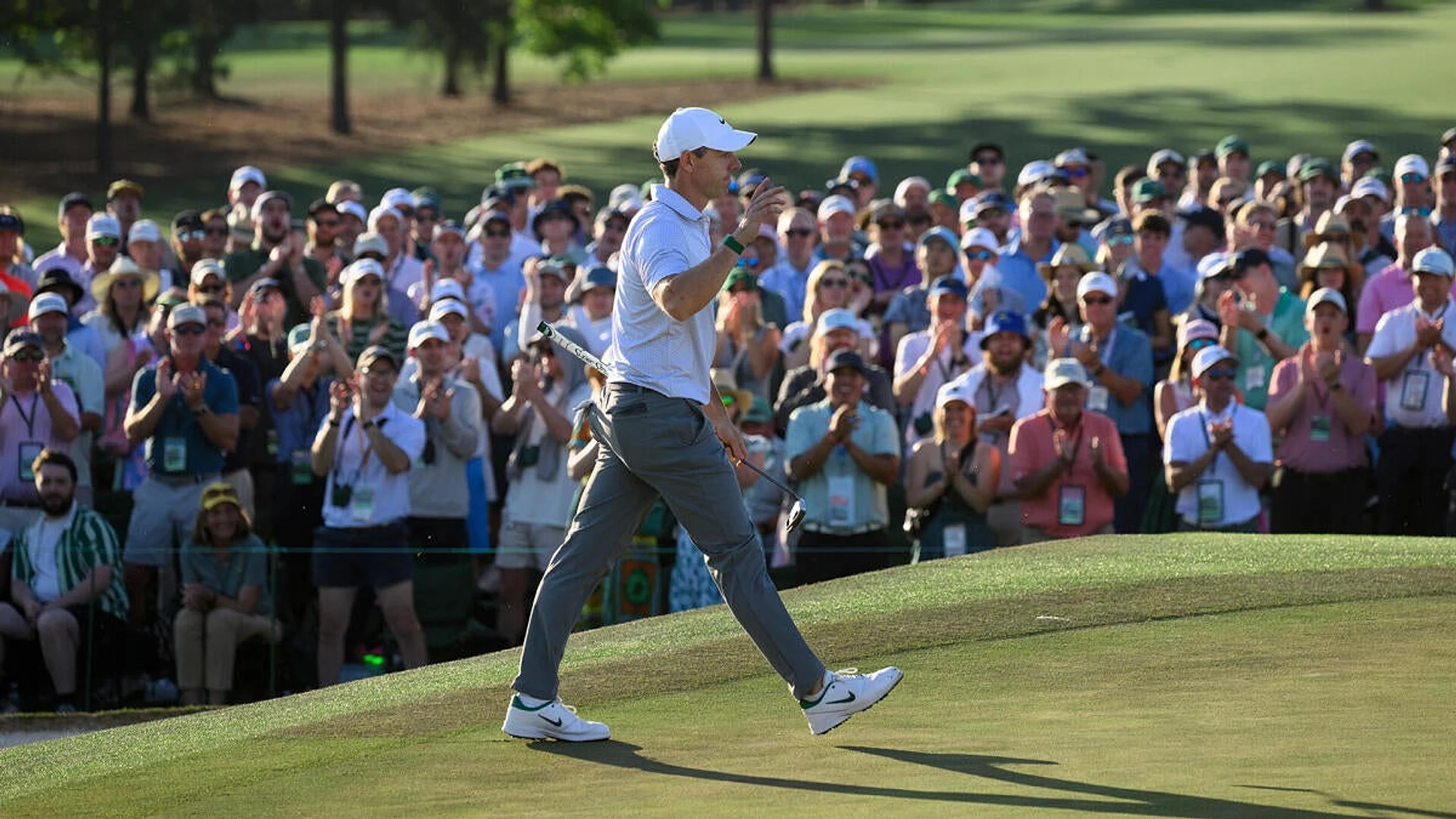
The sun dipped below the Georgia pines at Augusta National on Friday, casting long shadows and signaling the end of the road for half the field. For Rory McIlroy, however, it illuminated a path to history. The defending champion, already a five-time major winner, didn't just lead after 36 holes—he dominated, carving out a staggering six-stroke advantage, the largest 36-hole lead in Masters history.
Even on a day where his driver wasn't cooperating, McIlroy's mastery of Augusta was on full display. His second nine was a clinic in finesse and course management, proving that true greatness isn't just about power, but about craftiness under pressure. He strutted the hallowed grounds not just as a leader, but as a man in complete command of his game and this tournament.
Yet, McIlroy knows better than anyone that a six-shot lead at the halfway point is a promise, not a guarantee. The ghosts of Augusta are unforgiving, and the chasing pack is filled with both friends and familiar foes. Chief among them is Patrick Reed, a competitor with whom McIlroy has shared some of golf's most intense battles. Reed's presence on the leaderboard ensures there will be no comfortable stroll to a second green jacket.
When asked about his mindset for the weekend, McIlroy's message was clear and echoed a hard-learned lesson from his past. "Don't protect it," he stated firmly. "Go out and play freely, keep swinging... stay as trusting and as committed as possible." It's a philosophy born from experience, a reminder that in golf, aggression is often the best form of defense, especially on a stage this grand.
As the weekend unfolds, all eyes will be on McIlroy to see if he can maintain this blistering pace. Will he run away with it, or will the pressure from a relentless chaser like Reed turn the final 36 holes into a dramatic duel? One thing is certain: Rory McIlroy isn't planning to ease up, and that makes the 2026 Masters must-watch theater.